



A severe toothache does not always mean that a tooth needs to be removed. In many cases, root canal treatment can remove infection from inside the tooth, relieve pain and help preserve the natural tooth.
If you are looking for root canal treatment in Ghaziabad, understanding the procedure, possible discomfort, recovery period and aftercare can make the treatment process easier to understand.
What Is Root Canal Treatment?
Root canal treatment, also called endodontic treatment, is a dental procedure used when the pulp inside a tooth becomes inflamed or infected. The dentist removes the affected pulp, cleans and disinfects the inside of the tooth, fills the root canals and seals the tooth to help prevent reinfection.
The goal is to save the natural tooth rather than remove it. Once properly restored, a treated tooth can continue to function for chewing and everyday activities.
When Do You Need a Root Canal?
A root canal may be recommended when infection or significant damage has reached the pulp of the tooth.
Common causes include:
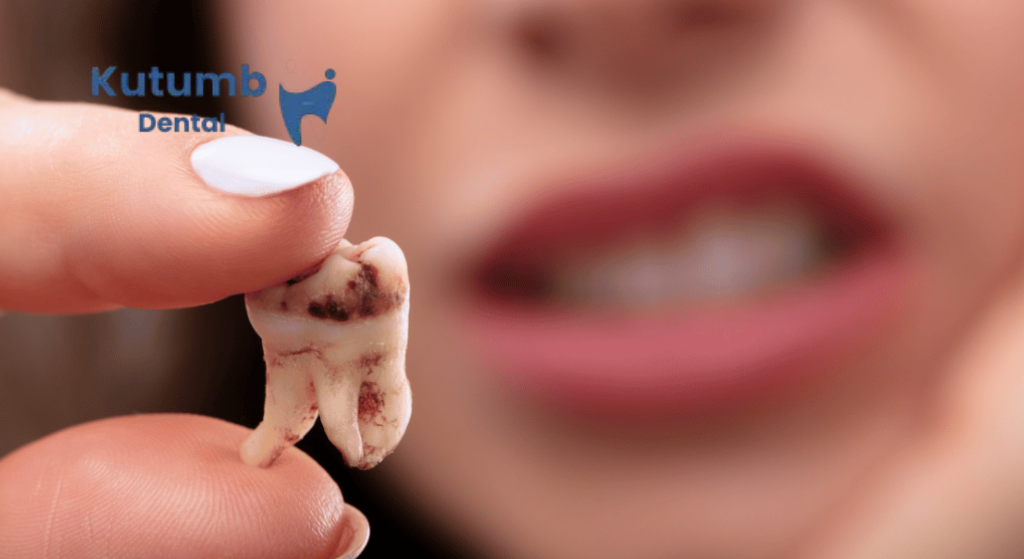
- Deep tooth decay
- A cracked or damaged tooth
- Dental trauma or injury
- Repeated dental procedures on the same tooth
- Infection or dental abscess
- Damage to the pulp beneath an existing filling or restoration
Some common warning signs include severe tooth pain, pain while biting or chewing, prolonged sensitivity to hot or cold, swollen or tender gums, or a pimple-like swelling on the gum. However, symptoms can vary, and a dental examination is needed to determine whether root canal treatment is appropriate.
Is Root Canal Treatment Painful?
One of the most common questions patients ask is, “Does a root canal hurt?”
Modern root canal treatment is performed using local anaesthesia to numb the affected area. During treatment, patients generally should not feel significant pain, although they may experience pressure or some sensation during the procedure.
Some tenderness or mild discomfort can occur after treatment as the area heals. This usually improves over the following days, but recovery can vary depending on the condition of the tooth and the individual patient.
If you are already experiencing severe tooth pain, treating the underlying infection or inflammation can help address the source of that pain.
What Happens During Root Canal Treatment?
The exact treatment plan depends on the tooth and the extent of the infection or damage. In general, the procedure involves several important steps.
1. Examination and Diagnosis
The dentist examines the affected tooth and may use dental X-rays or other diagnostic methods to understand the condition of the tooth and surrounding structures.
2. Local Anaesthesia
The area around the tooth is numbed with local anaesthesia to keep the procedure comfortable.
3. Accessing the Tooth
A small opening is made in the tooth to reach the infected or inflamed pulp inside.
4. Removing the Infected Pulp
The damaged pulp is carefully removed from the tooth.
5. Cleaning and Shaping
The root canals are cleaned, disinfected and shaped so they can be properly filled and sealed.
6. Filling and Sealing
The cleaned canals are filled and the tooth is sealed to reduce the possibility of bacteria entering the treated area again.
7. Final Restoration
Depending on the condition and location of the tooth, the dentist may recommend a permanent filling or dental crown to restore and protect it. A crown may be particularly important when the tooth has lost substantial structure.
How Long Does Root Canal Treatment Take?
The number and length of appointments depend on factors such as the tooth being treated, the complexity of its root canals, the extent of infection and the treatment plan.
Some root canal treatments can be completed in one or two appointments, while other cases may require additional visits.
Your dentist can explain the expected treatment timeline after examining your tooth.
What Is Recovery Like After a Root Canal?
Most patients can return to their normal routine relatively quickly, although the treated tooth may feel tender for a few days.
You may experience:
- Mild soreness around the treated tooth
- Sensitivity when biting
- Temporary numbness while the anaesthetic wears off
- Mild jaw discomfort after a longer appointment
Follow the instructions provided by your dentist and attend any recommended follow-up appointments. If a temporary filling or restoration has been placed, take extra care with the treated tooth until the permanent restoration is completed.
Root Canal Aftercare: What Should You Do?
Good aftercare helps protect the treated tooth while it heals.
Avoid chewing until numbness wears off
Because local anaesthesia can temporarily reduce sensation, avoid eating until normal feeling returns to reduce the risk of accidentally biting your cheek, tongue or lip.
Be careful with the treated tooth
If you have a temporary filling or have not yet received the final restoration, avoid putting unnecessary pressure on the tooth until your dentist advises that it is ready for normal use.
Maintain good oral hygiene
Continue brushing and cleaning between your teeth as advised by your dentist. A root canal treats the inside of an affected tooth, but the rest of your teeth and gums still require regular care.
Complete your treatment plan
If your dentist recommends a crown, permanent filling or follow-up visit, do not delay it unnecessarily. Proper restoration helps protect the treated tooth from further damage.
When Should You Contact Your Dentist After a Root Canal?
Some mild discomfort can be part of normal recovery. However, contact your dentist if you experience severe or worsening pain, significant swelling, or symptoms that concern you after treatment.
You should also seek dental evaluation if a previously treated tooth becomes painful or develops new symptoms months or years later. In some cases, a tooth that has not healed properly may require further evaluation or endodontic retreatment.
Can a Root Canal Save Your Natural Tooth?
Yes. One of the main purposes of root canal treatment is to preserve a natural tooth that might otherwise require extraction because of infection or damage.
Saving the natural tooth can help maintain normal chewing function and avoid the need for immediate tooth replacement. The long-term outcome depends on factors such as the condition of the tooth, quality of treatment, final restoration and ongoing oral care.
Root Canal Treatment in Ghaziabad
If you have persistent tooth pain, prolonged sensitivity, pain while chewing or swelling around a tooth, do not rely only on pain relief to manage the problem. The underlying cause needs to be evaluated by a dentist.
Kutumb Dental Clinic in Vasundhara, Ghaziabad provides general and advanced dental care, including root canal treatment. The clinic is located at Plot No. 1365, Ground Floor, Sector 5, Vasundhara, Ghaziabad, Uttar Pradesh 201012.
A dental examination can help determine whether the tooth needs root canal treatment, another restorative procedure or a different form of dental care.
Frequently Asked Questions
1. Does root canal treatment hurt?
Root canal treatment is performed under local anaesthesia, so significant pain during the procedure is generally not expected. Some tenderness or mild discomfort may occur after treatment while the tooth heals.
2. How long does it take to recover from a root canal?
Many patients can return to their normal activities soon after treatment, but the treated tooth may remain tender for a few days. Recovery varies depending on the tooth and the extent of infection or inflammation.
3. How many appointments are needed for a root canal?
The number of appointments depends on the tooth, the complexity of the root canals and the condition of the infection. Some treatments can be completed in one or two appointments, while more complex cases may require additional visits.
4. Is a crown necessary after a root canal?
A crown or other permanent restoration may be recommended depending on how much tooth structure remains and which tooth has been treated. Your dentist will determine the appropriate restoration for your individual case.
5. Can a tooth need another root canal after treatment?
In some cases, a previously treated tooth may not heal as expected or may develop a new problem. Depending on the cause, retreatment or another endodontic procedure may be considered after a dental evaluation.
Take the Next Step for Your Tooth
Persistent tooth pain, sensitivity or swelling should not be ignored. Early dental evaluation can help identify the cause and determine whether root canal treatment can help save the affected tooth.
If you are looking for root canal treatment in Ghaziabad or a dentist in Vasundhara, contact Kutumb Dental Clinic to schedule a dental evaluation and discuss the right treatment for your tooth.
Kutumb Dental Clinic
Plot No. 1365, Ground Floor, Sector 5, Vasundhara, Ghaziabad, Uttar Pradesh 201012
Phone: 082876 61219



Leave a Reply