


Missing a tooth can affect much more than your smile. It may make chewing uncomfortable, affect your speech, and reduce your confidence. Over time, missing teeth can also affect the surrounding teeth and the jawbone. Dental implants in Ghaziabad are a modern tooth replacement option that can help restore both the function and appearance of missing teeth.
A dental implant is designed to replace the root of a missing tooth. After the implant is placed and heals, a custom-made dental crown is attached to restore the visible part of the tooth.
If you are considering dental implants, understanding the procedure, benefits, recovery process, cost factors, and aftercare can help you make a more informed decision.
What Are Dental Implants?
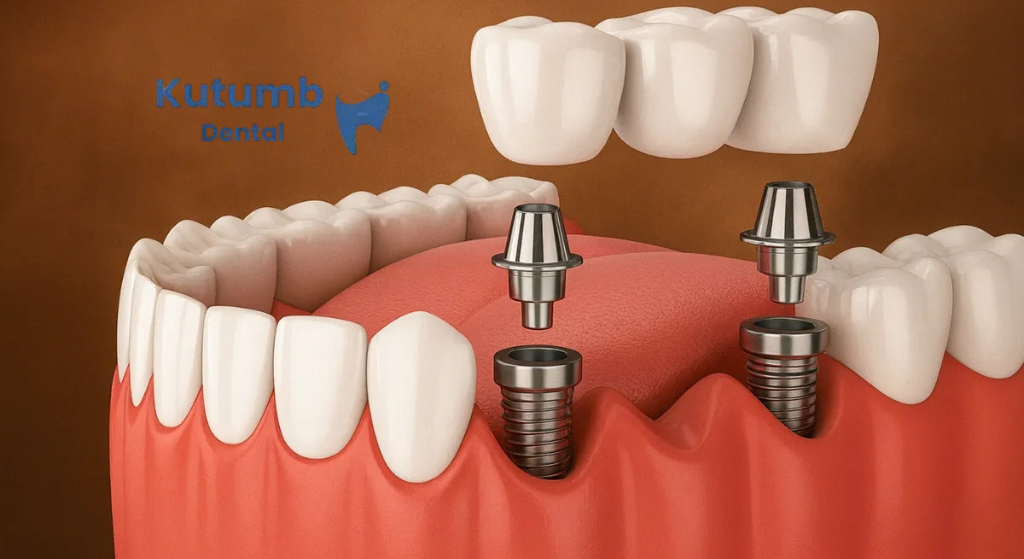
Dental implants are small artificial tooth roots that are placed into the jawbone. They are commonly made from biocompatible materials such as titanium and are designed to provide a stable foundation for a replacement tooth.
A complete dental implant treatment generally includes three main parts:
- Implant: The artificial tooth root placed inside the jawbone.
- Abutment: A connector that attaches the implant to the crown.
- Dental Crown: The visible replacement tooth designed to look and function like a natural tooth.
Unlike removable dentures, dental implants are fixed in the jaw and can provide a stable solution for replacing one or more missing teeth.
Who Can Get Dental Implants?
Dental implants may be suitable for people who have lost teeth because of decay, gum disease, injury, or other dental problems.
A dentist will usually examine:
- The condition of your gums
- Jawbone density and structure
- Remaining teeth
- Oral hygiene
- Overall dental health
- Any medical conditions that may affect healing
If there is not enough bone to support an implant, additional treatment such as bone grafting may sometimes be recommended.
What Is the Dental Implant Procedure?
Many patients ask, “How are dental implants placed?” The treatment usually takes place in several stages.
1. Dental Examination and Planning
The first step is a detailed dental examination. Your dentist may use dental X-rays or CBCT imaging to evaluate your jawbone and determine the best position for the implant.
Proper planning is important because the dentist needs to consider the available bone, surrounding teeth, nerves, and other anatomical structures.
2. Implant Placement
During the implant procedure, the dentist places the implant into the jawbone at the planned location. Local anaesthesia is generally used to make the procedure comfortable.
After placement, the implant needs time to heal and integrate with the surrounding bone.
3. Healing and Osseointegration
The process through which the implant becomes integrated with the jawbone is called osseointegration.
The healing period differs from patient to patient. Factors such as bone quality, implant location, oral health, and additional procedures can affect the treatment timeline.
4. Abutment and Crown Placement
Once the implant has healed sufficiently, an abutment may be connected to it. The final dental crown is then placed over the abutment.
The crown is custom-designed according to the patient’s bite, tooth shape, and smile.
What Are the Benefits of Dental Implants?
Dental implants offer several benefits when they are properly planned and maintained.
Natural-Looking Appearance
A dental crown can be designed to closely match the colour, shape, and appearance of your natural teeth. This can help create a more natural-looking smile.
Improved Chewing
Missing teeth can make eating certain foods difficult. A stable replacement tooth can improve chewing and help restore normal oral function.
Fixed Tooth Replacement
Dental implants are fixed into the jawbone. This means they do not need to be removed like traditional removable dentures.
Support for Jawbone
After tooth loss, the jawbone can gradually lose volume in the affected area. Implant treatment can help provide stimulation to the bone around the implant.
Improved Confidence
Replacing a missing tooth can improve your confidence while smiling, speaking, and interacting with others.
How Long Does Dental Implant Recovery Take?
One of the most common questions is, “How long does it take to recover from a dental implant?”
There is no single recovery time for every patient. Mild swelling, sensitivity, or discomfort can occur after implant placement and generally improves as the surgical area heals.
The complete treatment timeline can take longer because the implant needs time to integrate with the jawbone before the final restoration is placed.
If procedures such as tooth extraction, bone grafting, or gum treatment are required, the overall timeline may increase.
Your dentist can provide a more accurate recovery and treatment timeline after examining your teeth and jawbone.
What Should You Do After Dental Implant Surgery?
Proper aftercare is important for successful healing.
Maintain Good Oral Hygiene
Follow your dentist’s instructions about brushing and cleaning the treated area. Keeping your mouth clean can help reduce the risk of infection and gum problems.
Eat Soft Foods Initially
Your dentist may recommend soft foods during the early healing period. Avoid hard, crunchy, or very chewy foods around the implant area until your dentist says it is safe.
Avoid Smoking and Tobacco
Smoking can negatively affect oral health and may interfere with healing. Avoiding tobacco is an important part of maintaining healthy gums and supporting implant treatment.
Take Medicines as Prescribed
If your dentist prescribes medicines after the procedure, take them exactly as instructed. Do not change the dosage without professional advice.
Attend Follow-Up Appointments
Follow-up visits allow your dentist to monitor healing and check the condition of the implant and surrounding tissues.
Are Dental Implants Painful?
Many people worry about pain during implant treatment.
Dental implant placement is generally performed under local anaesthesia, which helps keep the procedure comfortable. Some soreness, swelling, or sensitivity may occur after the procedure as the area heals.
The amount of discomfort can depend on the complexity of the treatment and the individual’s healing response.
If you are worried about pain or anxiety, discuss your concerns with your dentist before the procedure.
How Much Do Dental Implants Cost in Ghaziabad?
The cost of dental implants in Ghaziabad varies from patient to patient. There is no single price that applies to everyone.
The overall cost may depend on:
- Number of implants required
- Type of implant
- Type of dental crown
- Bone condition
- Need for bone grafting
- Gum treatment
- Diagnostic scans
- Complexity of the case
For this reason, a dental examination is important before receiving an accurate treatment estimate.
Patients should also consider the quality of treatment, diagnosis, materials, hygiene standards, and follow-up care rather than choosing a clinic based only on price.
Why Choose a Professional Dental Clinic for Implants?
Dental implant treatment requires careful planning and professional evaluation. A good dental clinic should provide proper diagnosis, treatment planning, implant placement, restoration, and follow-up care.
At Kutumb Dental, patients can discuss their missing-tooth concerns and receive a personalised treatment plan based on their dental condition.
The clinic provides dental services in Vasundhara, Ghaziabad, including implant dentistry, general dentistry, cosmetic dentistry, orthodontics, children’s dentistry, and other oral healthcare services.
Frequently Asked Questions About Dental Implants
1. How long do dental implants last?
Dental implants are designed as a long-term tooth replacement option. Their longevity depends on oral hygiene, gum health, lifestyle habits, regular dental check-ups, and proper maintenance.
2. How long does a dental implant take to heal?
Healing time varies between patients. The implant needs time to integrate with the jawbone before the final crown is placed. Your dentist can provide a personalised timeline based on your treatment.
3. Can dental implants replace multiple missing teeth?
Yes. Depending on the condition of your mouth, implants may be used to replace one tooth, several teeth, or support certain implant-based restorations. Your dentist can recommend the appropriate option.
4. What can I eat after dental implant surgery?
Soft foods are generally easier to eat during the early healing period. Avoid hard, crunchy, or sticky foods around the treated area until your dentist gives you permission to return to your normal diet.
5. Are dental implants better than dentures?
Both options have different advantages. Dental implants provide a fixed tooth replacement, while dentures are removable. The right option depends on your oral health, number of missing teeth, bone condition, budget, and personal needs.
Suggested Links
https://www.kutumbdental.com/contact.html
https://www.kutumbdental.com/services.html
Restore Your Smile With Dental Implants in Ghaziabad
A missing tooth does not have to affect your smile, confidence, or ability to enjoy everyday foods. Dental implants in Ghaziabad can provide a stable and natural-looking tooth replacement option for suitable patients.
The first step is a professional dental evaluation. Your dentist can assess your gums, jawbone, remaining teeth, and overall oral health before recommending the right treatment.
If you have one or more missing teeth, contact Kutumb Dental today to schedule a consultation and discuss whether dental implants are suitable for you.
Kutumb Dental
Vasundhara, Ghaziabad, Uttar Pradesh
Book your dental consultation today and take the first step toward a healthier, more confident smile.



Leave a Reply