


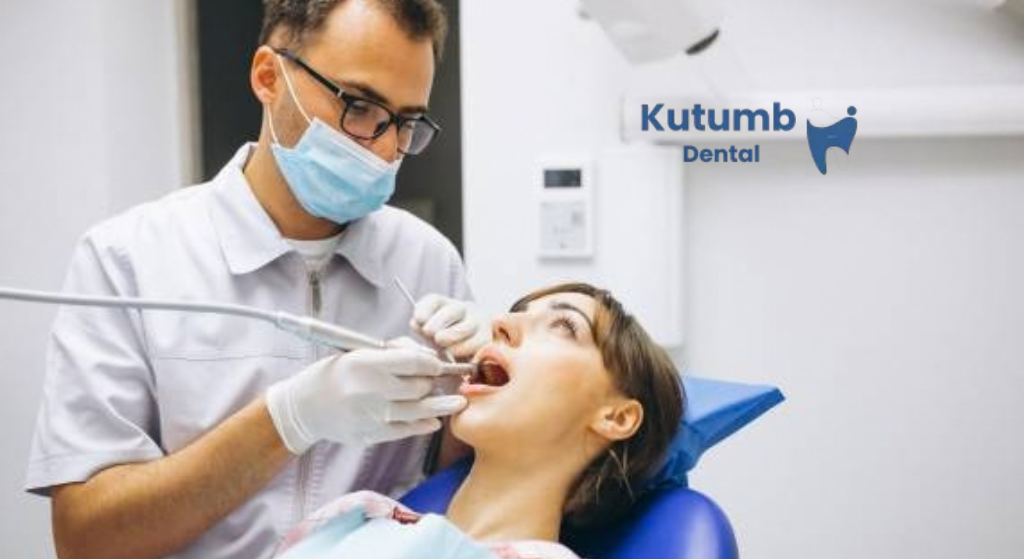
A regular dental check-up is more than simply looking for cavities. A complete dental examination helps assess your teeth, gums, bite, oral hygiene, and overall oral health. It can also help identify problems that may not cause pain or visible symptoms in the early stages.
If you are searching for a dental check-up in Ghaziabad, knowing what happens during an examination can make your visit easier and help you understand why regular dental assessments are important.
A dental check-up may include a review of your dental and medical history, examination of the teeth and gums, assessment of the mouth and surrounding tissues, professional cleaning when appropriate, and dental X-rays when they are clinically needed. Current ADA guidance emphasizes that dental imaging should be selected based on the patient’s individual clinical needs rather than performed automatically at every visit.
What Is a Complete Dental Examination?
A complete dental examination is a systematic assessment of your oral health by a dentist.
The dentist looks for common problems such as:
- Tooth decay and cavities
- Gum inflammation and gum disease
- Damaged, cracked, or worn teeth
- Tooth sensitivity
- Plaque and tartar buildup
- Problems with your bite
- Missing or loose teeth
- Oral infections
- Changes in the soft tissues of the mouth
A comprehensive examination can also include an assessment of the head, neck, lips, tongue, cheeks, and other oral tissues. The ADA’s 2026 guidance continues to emphasize comprehensive intraoral and extraoral clinical examinations as an important part of early detection of suspicious oral lesions.
What Happens During a Dental Check-Up?
1. Your Dental and Medical History Is Reviewed
Your appointment may begin with questions about your current dental concerns and general health.
Your dentist may ask about:
- Tooth pain or sensitivity
- Bleeding or swollen gums
- Previous dental treatments
- Current medicines
- Medical conditions
- Allergies
- Oral hygiene habits
- Tobacco or alcohol use
- Changes since your previous dental visit
Tell your dentist about any recent changes in your health, even if they do not seem directly related to your teeth.
Your dental history can help the dentist understand your risk factors and plan an appropriate examination.
2. Your Teeth Are Examined
The dentist will carefully examine your teeth for visible signs of problems.
This may include checking for:
- Cavities
- Discoloration
- Cracks or fractures
- Worn tooth surfaces
- Broken fillings or restorations
- Tooth sensitivity
- Loose teeth
- Areas where food frequently gets trapped
Early tooth decay may not cause pain, which is why a dental examination can be useful even when your teeth feel normal.
Finding problems early may allow simpler treatment and help protect more of your natural tooth structure.
3. Your Gums Are Checked
Healthy gums are an important part of overall oral health.
During a dental examination, the dentist may look for:
- Red or swollen gums
- Bleeding
- Gum recession
- Plaque and tartar
- Signs of gingivitis
- Signs of periodontal disease
- Changes around individual teeth
Persistent bleeding or swelling should not simply be ignored. Gum disease can progress without severe pain, so professional assessment is important when symptoms continue.
4. Your Bite and Jaw Are Evaluated
A complete dental examination may also involve checking how your upper and lower teeth come together.
Your dentist may look for:
- Uneven tooth contact
- Difficulty chewing
- Signs of teeth grinding
- Jaw discomfort
- Abnormal tooth wear
- Problems with alignment
If necessary, your dentist may recommend further evaluation or orthodontic treatment.
5. Your Mouth and Soft Tissues Are Examined
A dental check-up is not limited to the teeth.
The dentist may examine your:
- Tongue
- Inner cheeks
- Gums
- Roof of the mouth
- Floor of the mouth
- Lips
- Jaw and facial areas
This type of examination can help identify unusual changes, sores, swelling, or other abnormalities that may need monitoring or further investigation.
The ADA’s latest 2026 living guideline emphasizes comprehensive clinical examination for early identification of potentially concerning oral lesions.
6. Dental X-Rays May Be Recommended When Needed
Not every dental check-up requires an X-ray.
If your dentist believes imaging is necessary, dental X-rays may help identify problems that cannot be fully seen during a visual examination. Depending on the situation, imaging can help assess areas between teeth, tooth roots, bone, impacted teeth, or other structures.
Current 2026 ADA recommendations emphasize using dental radiographs when clinically necessary after considering the patient’s history and examination findings.
This means X-rays should be recommended based on your individual needs rather than simply being performed as an automatic part of every routine visit.
7. Professional Dental Cleaning May Be Recommended
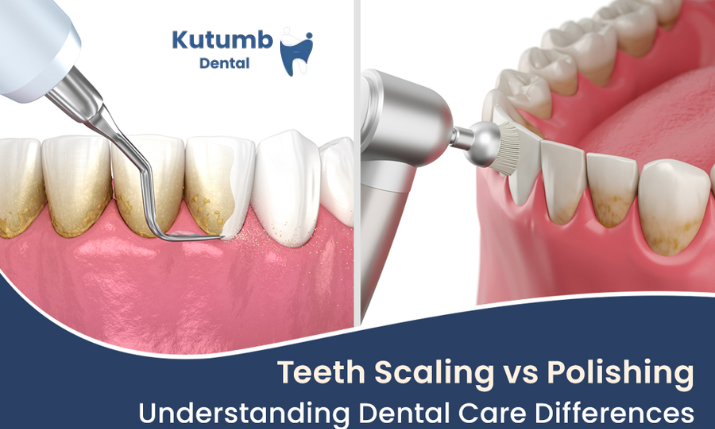
If plaque and tartar have accumulated, your dentist or dental professional may recommend professional cleaning.
A cleaning can help remove deposits that regular brushing and flossing cannot completely eliminate.
Your dentist may also provide advice about:
- Brushing technique
- Flossing
- Interdental cleaning
- Fluoride toothpaste
- Diet and sugary foods
- Tobacco use
- Mouthwash when appropriate
Kutumb Dental recommends regular brushing, daily flossing, balanced nutrition, and regular dental assessments as part of maintaining good oral hygiene.
What Problems Can a Dental Check-Up Detect?
A routine dental examination can help identify problems before they become more serious.
These may include:
Tooth Decay
Small cavities may not cause noticeable pain. Early detection can help prevent decay from progressing deeper into the tooth.
Gum Disease
Bleeding, swelling, redness, recession, or other changes may indicate gum inflammation or periodontal disease.
Cracked or Damaged Teeth
Small cracks may be difficult to notice yourself. A dentist can assess suspicious areas and determine whether additional testing is needed.
Oral Infections
Pain, swelling, pus, bad taste, or other symptoms may indicate an infection requiring prompt treatment.
Oral Soft-Tissue Changes
Changes in the mouth, lips, tongue, or other tissues may be identified during a comprehensive examination and monitored or investigated when necessary.
How Often Should You Get a Dental Check-Up?
There is no single schedule that is ideal for every person.
The frequency of dental visits depends on your age, oral health, risk of cavities or gum disease, previous dental treatment, and other individual factors.
Kutumb Dental states that many adults may benefit from dental visits approximately every six months, while some people may need more frequent appointments based on their oral health needs.
Your dentist can recommend a schedule based on your individual risk rather than relying only on a fixed timetable.
Should You Get a Dental Check-Up Even If Your Teeth Don’t Hurt?
Yes.
A lack of pain does not necessarily mean that your teeth and gums are completely healthy.
Some dental problems can develop without noticeable symptoms, particularly in their early stages. Regular examinations can help identify changes before they cause significant discomfort or require more extensive treatment.
A preventive dental visit is therefore useful even when you feel that your teeth are fine.
How Can You Prepare for a Dental Examination?
A dental check-up is usually straightforward, but a little preparation can make the appointment more useful.
Before your visit:
- Make a list of medicines you currently take.
- Tell the dentist about allergies or important health changes.
- Note any tooth sensitivity or pain.
- Mention bleeding or swollen gums.
- Bring information about previous dental treatment if available.
- Tell your dentist about any specific concerns you have.
Most importantly, do not hide symptoms because you are worried about treatment. Giving your dentist accurate information helps them provide appropriate advice.
Dental Check-Up in Ghaziabad
If you are looking for a dental check-up in Ghaziabad, Kutumb Dental Clinic in Vasundhara provides general dentistry and dental emergency services. The clinic is located at Plot No. 1365, Ground Floor, Sector 5, Vasundhara, Ghaziabad, Uttar Pradesh 201012. The clinic lists its regular Tuesday-to-Sunday hours as 9:00 AM to 8:00 PM.
A professional examination can help you understand the current condition of your teeth and gums and determine whether you need preventive care, cleaning, restorative treatment, orthodontic care, or another dental service.
Frequently Asked Questions
1. What happens during a complete dental check-up?
A complete dental check-up may include reviewing your dental and medical history, examining your teeth and gums, checking your bite and oral tissues, assessing your oral hygiene, and recommending X-rays or other tests when clinically necessary.
2. How long does a dental examination take?
The duration varies depending on whether it is a routine check-up, a first visit, or a more detailed examination. Your dentist can tell you how long your appointment may take based on your individual needs.
3. Do I need an X-ray during every dental check-up?
No. Dental X-rays are not automatically required at every visit. Current recommendations support using dental imaging when it is clinically necessary based on your history, examination, symptoms, and treatment needs.
4. Can a dentist find cavities before they start hurting?
Yes. Some cavities can be detected before they cause noticeable pain. Regular dental examinations can help identify early tooth decay and allow appropriate preventive or restorative treatment.
5. How often should I have a dental check-up?
The ideal frequency depends on your individual oral health and risk factors. Some people may benefit from visits around every six months, while others may need more frequent examinations. Your dentist can recommend the appropriate schedule for you.
Suggested Links
https://www.kutumbdental.com/contact.html
https://www.kutumbdental.com/services.html
https://www.kutumbdental.com/about.html
Protect Your Smile With Regular Dental Care
A dental check-up is not only about treating a problem after it starts hurting. Regular examinations can help identify cavities, gum disease, damaged teeth, and other oral health concerns at an earlier stage.
If you have not had a dental examination recently or have noticed pain, sensitivity, bleeding gums, or another change in your mouth, schedule a dental check-up with Kutumb Dental in Vasundhara, Ghaziabad. Early evaluation can help you protect your natural teeth and maintain a healthier smile.

Leave a Reply