


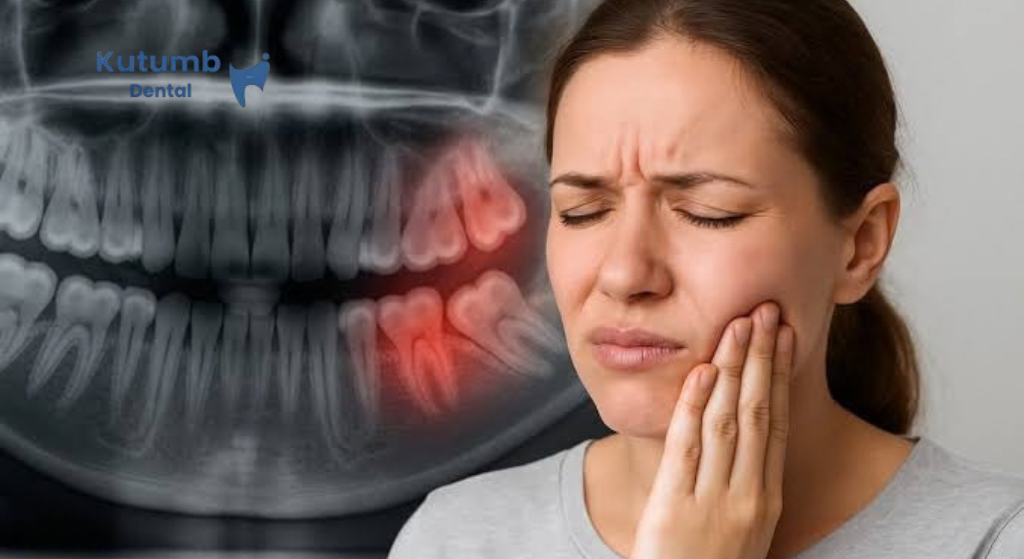
Wisdom tooth pain can make simple activities like eating, speaking, or opening your mouth uncomfortable. Wisdom teeth are the last teeth to develop, usually appearing in the late teens or early twenties. When there is not enough space for them to grow properly, they may become impacted or partially covered by the gum, leading to pain, swelling, infection, or difficulty cleaning the area.
If you are experiencing wisdom tooth pain in Ghaziabad, it is important to understand the possible cause and get a dental examination instead of repeatedly managing the pain at home.
What Causes Wisdom Tooth Pain?
Wisdom tooth pain can happen for several reasons. The most common cause is lack of space in the jaw. When a wisdom tooth cannot erupt normally, it may remain partly or completely trapped under the gum. This is known as an impacted wisdom tooth.
Common causes include:
- Impacted or partially erupted wisdom tooth
- Infection around the gum
- Food getting trapped around the tooth
- Tooth decay
- Gum disease
- Pressure from the erupting tooth
- Damage to the nearby second molar
- Cyst or other problems around an impacted tooth
An impacted wisdom tooth can make cleaning difficult, allowing bacteria and food particles to collect around the gum. This may lead to inflammation and an infection called pericoronitis.
What Are the Symptoms of Wisdom Tooth Pain?
Wisdom tooth symptoms can range from mild discomfort to severe pain.
Common signs include:
- Pain at the back of the mouth
- Swollen or tender gums
- Redness around the wisdom tooth
- Pain while chewing
- Difficulty opening the mouth
- Jaw stiffness
- Bad taste or unpleasant breath
- Food getting stuck near the tooth
- Swelling around the cheek or jaw
- Fever in cases of infection
Sometimes the pain may come and go. This does not necessarily mean the problem has disappeared. Repeated episodes can indicate an underlying problem with the tooth.
If pain continues for more than a couple of days, becomes severe, or occurs with swelling, fever, or a bad taste, a dental evaluation is recommended.
Why Do Impacted Wisdom Teeth Hurt?
An impacted wisdom tooth does not have enough space to erupt into its normal position. It may grow at an angle toward the neighbouring tooth, remain underneath the gum, or become partly visible.
The gum around a partially erupted tooth can trap food and bacteria. This may cause inflammation and infection. An impacted tooth can also contribute to decay or damage involving the tooth next to it.
This is why simply waiting for the pain to disappear may not solve the underlying problem.
How Is Wisdom Tooth Pain Diagnosed?
A dentist will first examine your mouth and ask about your symptoms. Depending on the situation, dental X-rays may be recommended to understand:
- The position of the wisdom tooth
- Whether it is impacted
- Its relationship with nearby teeth
- The condition of surrounding bone
- The position of important structures near the tooth
An X-ray can help the dentist decide whether monitoring, treatment, or wisdom tooth removal is appropriate.
What Are the Treatment Options for Wisdom Tooth Pain?
Treatment depends on the cause and severity of the problem. Not every wisdom tooth needs to be removed. If a wisdom tooth is healthy and not causing problems, it may be monitored during regular dental visits.
1. Cleaning and Local Care
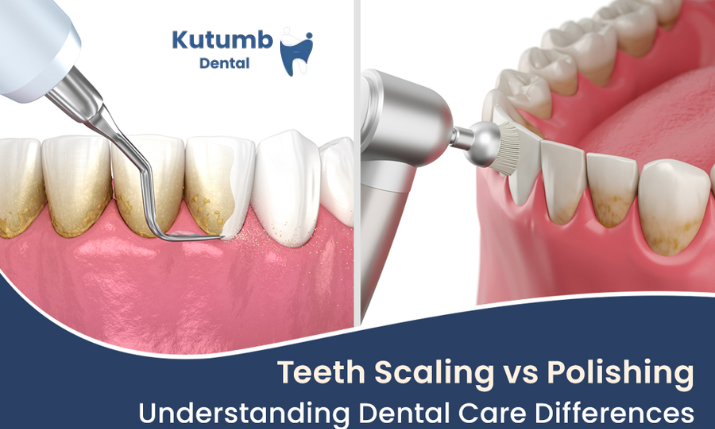
For mild gum inflammation, a dentist may recommend professional cleaning and instructions for keeping the area clean.
2. Medication for Pain or Infection
Your dentist may recommend appropriate pain relief. If there is an infection, medication may sometimes be required based on the clinical examination.
Medication can control symptoms, but it may not permanently solve a wisdom tooth that repeatedly causes problems.
3. Wisdom Tooth Removal
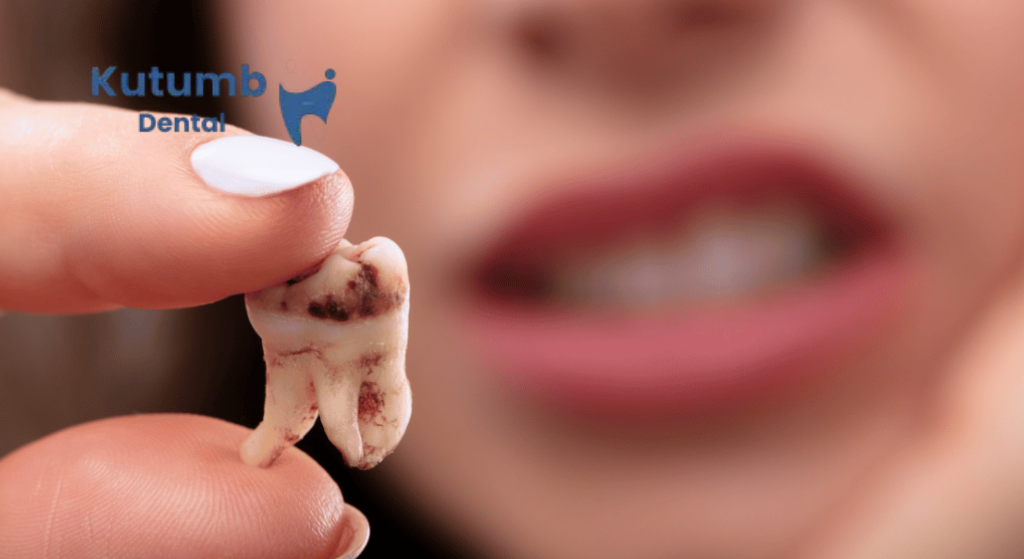
If the tooth is repeatedly causing infection, significant pain, decay, gum problems, or other complications, the dentist may recommend removal.
Wisdom tooth removal is commonly performed using local anaesthesia. For more complicated cases or patients with significant anxiety, other forms of sedation may be considered. The tooth may be removed in one piece or divided into smaller sections when necessary.
When Should a Wisdom Tooth Be Removed?
Wisdom tooth removal may be considered when there is:
- Repeated gum infection
- Significant or persistent pain
- Tooth decay that cannot be managed effectively
- Gum disease around the wisdom tooth
- Damage to the neighbouring tooth
- Cysts or other disease associated with the tooth
- A problematic impacted tooth
Current dental guidance generally does not recommend removing every wisdom tooth simply because it exists. The decision should be based on symptoms, disease, risk, and the findings of a dental examination.
Is Wisdom Tooth Removal Painful?
During the procedure, local anaesthesia is used to numb the area, so you should not feel the extraction itself as sharp pain. You may feel pressure or movement during the procedure.
After removal, some pain, swelling, jaw stiffness, or bruising can occur. These symptoms are often more noticeable during the first few days and gradually improve. More complicated extractions may require a longer recovery period.
Wisdom Tooth Removal Recovery and Aftercare
Following your dentist’s instructions can help support healing.
Important aftercare measures may include:
- Take prescribed or recommended medicines as directed.
- Choose soft foods while chewing is uncomfortable.
- Avoid hard or crunchy foods around the extraction area.
- Keep the mouth clean without disturbing the healing socket.
- Follow your dentist’s instructions about rinsing.
- Avoid smoking because it can increase the risk of complications.
- Avoid very hot drinks immediately after the procedure.
- Give yourself enough time to rest.
A blood clot forms in the extraction socket and plays an important role in healing. Dislodging this clot can contribute to a painful condition called dry socket.
When Is Wisdom Tooth Pain a Dental Emergency?
Seek urgent dental care if you experience severe or worsening pain, significant facial swelling, fever, or a bad taste associated with an infection.
If swelling around the mouth or neck makes it difficult to breathe, swallow, or speak, seek emergency medical help immediately.
How to Prevent Wisdom Tooth Problems
You cannot always prevent an impacted wisdom tooth because its position and available jaw space are major factors. However, good oral hygiene and regular dental check-ups can help detect problems early.
Brush twice a day with fluoride toothpaste, clean between your teeth daily, and pay particular attention to the back areas of your mouth. Regular dental examinations can identify wisdom tooth problems before they become more serious.
Why Choose a Dental Clinic for Wisdom Tooth Treatment in Ghaziabad?
Professional evaluation is important because wisdom tooth pain can have different causes. A dentist can examine the tooth, recommend imaging when needed, and explain whether you need monitoring, treatment, or removal.
Kutumb Dental in Vasundhara, Ghaziabad, provides general dentistry, dental emergency services, and other dental treatments. The clinic is located at Plot No. 1365, Ground Floor, Sector 5, Vasundhara, Ghaziabad, Uttar Pradesh 201012.
Frequently Asked Questions
1. What is the most common cause of wisdom tooth pain?
Lack of space can cause a wisdom tooth to become impacted or partially erupted. This can lead to gum inflammation, infection, food trapping, decay, and pain.
2. Can wisdom tooth pain go away on its own?
Mild discomfort may temporarily improve, but recurring or persistent pain can indicate an underlying problem. A dental examination is recommended if symptoms continue or return.
3. Does every wisdom tooth need to be removed?
No. A healthy, symptom-free wisdom tooth may simply be monitored. Removal is generally considered when the tooth causes disease, repeated problems, or a significant risk of complications.
4. How long does wisdom tooth removal take?
The procedure can take only a few minutes for a straightforward extraction, while a more complicated case may take longer. Your dentist can give you a more accurate estimate after examining the tooth.
5. When should I see a dentist for wisdom tooth pain?
See a dentist if pain lasts more than a couple of days, keeps returning, or occurs with swelling, fever, difficulty opening your mouth, or a bad taste. Severe swelling or difficulty breathing or swallowing requires urgent medical attention.
Suggested Links
https://www.kutumbdental.com/contact.html
https://www.kutumbdental.com/blog-grid.html
Take the Next Step
Don’t ignore recurring wisdom tooth pain. Early evaluation can help identify infection, impaction, decay, or other problems before they become more difficult to manage.
If you are experiencing wisdom tooth pain in Ghaziabad, book a dental consultation with Kutumb Dental and get the right treatment plan for your symptoms.




Leave a Reply