


Sensitive teeth can make everyday activities like eating, drinking, brushing, or even breathing cold air uncomfortable. Tooth sensitivity is a common dental problem that often develops gradually due to enamel damage, gum issues, or poor oral habits. Ignoring sensitive teeth may lead to worsening discomfort and long-term dental problems.
At Kutumb Dental in Ghaziabad, patients receive professional dental care for tooth sensitivity, enamel protection, and oral health management under the guidance of Dr. Vrinda Sharma. Early diagnosis and preventive care can help maintain healthy teeth and gums.
Top Clinic for Sensitive Teeth Treatment in Ghaziabad
Sensitive teeth can affect daily comfort and oral health if left untreated. Kutumb Dental provides modern and patient-focused dental care for individuals experiencing tooth sensitivity in Ghaziabad.
Why patients choose the clinic:
- Experienced dental care by Dr. Vrinda Sharma
- Advanced dental diagnosis and treatment
- Safe hygiene and sterilization standards
- Personalized treatment plans
- Comfortable and patient-friendly environment
- Preventive and restorative dental care
Professional dental evaluation helps identify the root cause of sensitivity and supports effective treatment.
Common Causes of Sensitive Teeth
Sensitive teeth may develop due to several oral health conditions and daily habits.
Worn Tooth Enamel
Enamel is the protective outer layer of the teeth. When enamel becomes weak or damaged, the inner sensitive layer of the tooth becomes exposed.
Common causes of enamel wear include:
- Acidic foods and drinks
- Hard brushing
- Teeth grinding
- Poor oral hygiene
Gum Recession
Receding gums expose the tooth roots, which are more sensitive than the enamel-covered areas.
Signs of gum recession may include:
- Longer-looking teeth
- Tooth sensitivity
- Gum discomfort
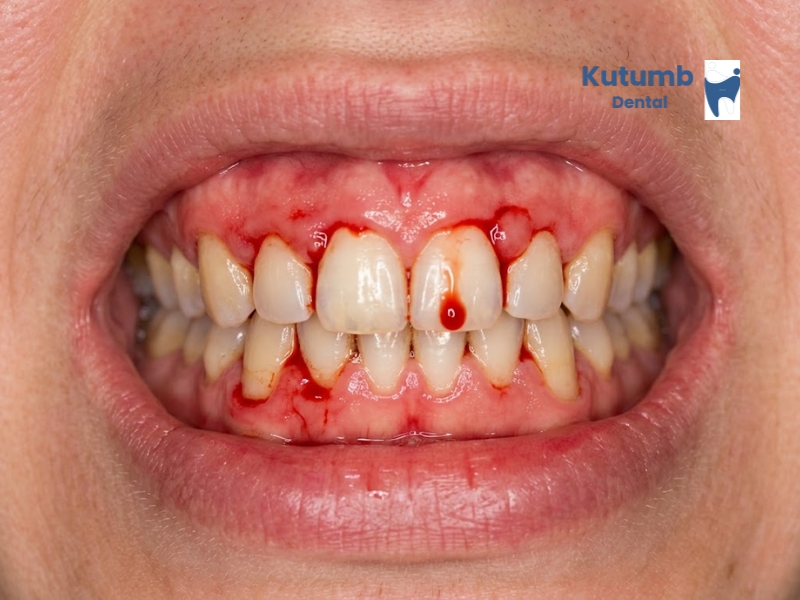
- Bleeding gums
Tooth Decay or Cavities
Cavities can expose the deeper layers of teeth and increase sensitivity to hot, cold, or sweet foods.
Teeth Grinding
Many people grind or clench their teeth unknowingly, especially during sleep. This habit may gradually wear down tooth enamel.
Cracked or Damaged Teeth
Cracks in teeth may expose nerves and lead to sharp pain or sensitivity.
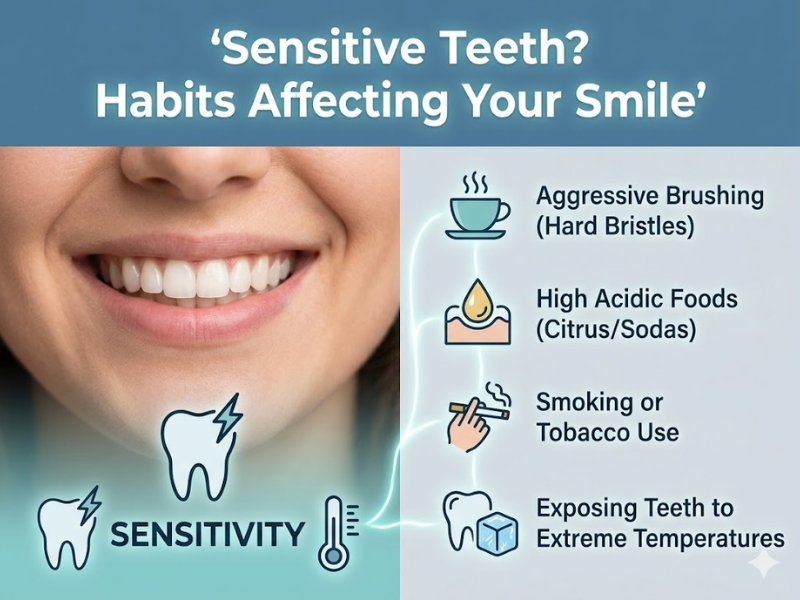
Everyday Habits That May Be Affecting Your Smile
Certain daily habits can worsen sensitive teeth and damage oral health over time.
Brushing Too Hard
Aggressive brushing may wear down enamel and irritate the gums.
Dentists usually recommend:
- Using a soft-bristled toothbrush
- Gentle brushing techniques
- Brushing twice daily without excessive pressure
Frequent Consumption of Acidic Foods
Acidic foods and beverages may weaken tooth enamel.
Examples include:
- Soft drinks
- Citrus fruits
- Energy drinks
- Vinegar-based foods
Reducing acidic food intake can help protect enamel.
Skipping Dental Checkups
Regular dental checkups help detect enamel damage, cavities, and gum problems early.
Poor Oral Hygiene
Inadequate brushing and flossing may lead to plaque buildup, gum disease, and tooth decay.
Using Teeth as Tools
Using teeth to open packages or bite hard objects may damage enamel and increase sensitivity.
Signs You Should Not Ignore
Sensitive teeth may indicate underlying dental problems that require professional care.
Visit a dentist if you experience:
- Sharp pain while eating or drinking
- Sensitivity to hot or cold foods
- Pain while brushing
- Gum recession
- Tooth discomfort lasting several days
- Cracked or damaged teeth
- Bleeding gums with sensitivity
Early dental care helps prevent worsening oral health problems.
Benefits of Treating Sensitive Teeth Early
Timely dental treatment offers several benefits for oral health and comfort.
Reduces Pain and Discomfort
Treatment helps improve comfort while eating, drinking, and brushing.
Protects Tooth Enamel
Preventive care helps reduce further enamel wear.
Prevents Severe Dental Problems
Early treatment can help prevent cavities, gum disease, and tooth infections.
Improves Oral Hygiene
Patients are more comfortable brushing and flossing when sensitivity decreases.
Supports Long-Term Oral Health
Healthy teeth and gums contribute to better oral function and appearance.
How Dentists Diagnose Sensitive Teeth
At Kutumb Dental, the diagnosis process for sensitive teeth generally includes the following steps:
Step 1: Dental Consultation
The dentist discusses symptoms, oral habits, and sensitivity triggers.
Step 2: Oral Examination
Teeth and gums are checked for enamel wear, gum recession, cavities, or damage.
Step 3: Digital Dental X-rays if Required
Dental imaging may help detect hidden tooth damage or decay.
Step 4: Identification of the Cause
The exact reason behind sensitivity is identified before treatment planning.
Step 5: Personalized Dental Care Plan
Treatment recommendations are provided according to the patient’s oral health condition.
Common Treatments for Sensitive Teeth
Treatment depends on the cause and severity of tooth sensitivity.
Desensitizing Toothpaste
Special toothpaste may help reduce sensitivity over time.
Professional Fluoride Treatment
Fluoride applications help strengthen enamel and reduce discomfort.
Gum Treatment
Patients with gum recession or gum disease may require specialized gum care.
Dental Fillings or Restorative Care
Damaged or decayed teeth may require fillings or restorative treatment.
Night Guards for Teeth Grinding
Patients with grinding habits may benefit from custom dental guards.
Who Is More Likely to Experience Sensitive Teeth?
Certain individuals may have a higher risk of developing tooth sensitivity.
Risk factors include:
- Frequent acidic food consumption
- Poor oral hygiene
- Teeth grinding
- Gum disease
- Hard brushing habits
- Tooth decay
- Aging-related enamel wear
Routine dental visits help reduce these risks.
Why Choose Kutumb Dental in Ghaziabad
Kutumb Dental focuses on preventive and patient-centered dental care for sensitive teeth and oral health concerns in Ghaziabad.
Reasons to choose the clinic:
- Dental care by Dr. Vrinda Sharma
- Modern dental technology
- Safe hygiene standards
- Personalized oral care guidance
- Comfortable treatment environment
- Preventive and restorative dentistry
The clinic aims to provide safe and effective dental care for patients of all age groups.
Tips to Prevent Tooth Sensitivity
Simple oral hygiene habits can help protect teeth and reduce sensitivity.
Important oral care tips include:
- Brush gently using a soft toothbrush
- Avoid excessive acidic foods and drinks
- Floss regularly
- Visit the dentist routinely
- Avoid teeth grinding habits
- Maintain proper oral hygiene
- Treat gum problems early
Consistent oral care helps maintain healthy teeth and gums.
FAQs
1. What causes sensitive teeth?
Sensitive teeth may occur due to enamel wear, gum recession, cavities, or teeth grinding.
2. Can tooth sensitivity go away on its own?
Mild sensitivity may improve temporarily, but ongoing symptoms should be evaluated by a dentist.
3. Does hard brushing damage teeth?
Yes. Brushing too hard can wear down enamel and irritate gums.
4. Are acidic foods harmful to teeth?
Frequent acidic food consumption may weaken enamel and increase tooth sensitivity.
5. When should I visit a dentist for sensitive teeth?
You should visit a dentist if sensitivity becomes severe, persistent, or affects daily activities.



Leave a Reply