


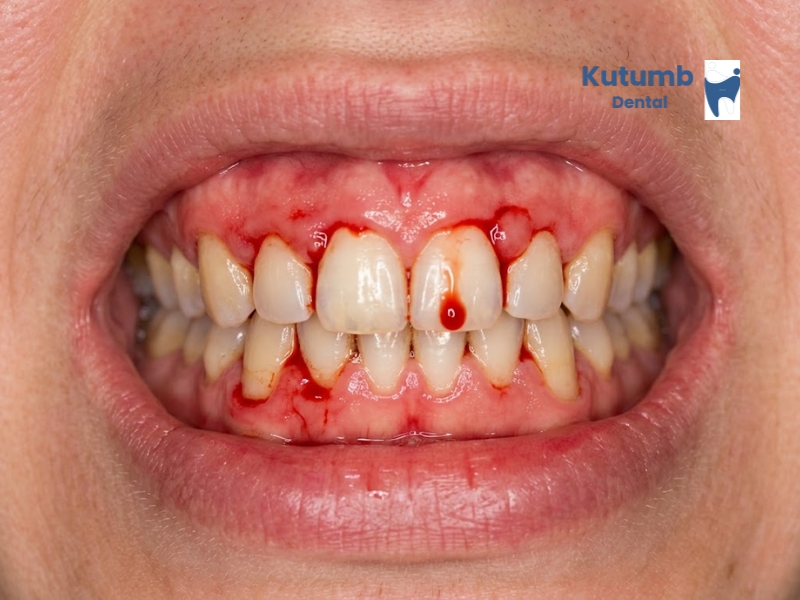
Bleeding gums while brushing are often an early warning sign of gum disease or poor oral health. Many people ignore occasional gum bleeding, assuming it is normal, but healthy gums generally should not bleed during brushing or flossing. Ignoring this symptom may lead to gum infections, bad breath, tooth sensitivity, and even tooth loss over time.
At Kutumb Dental in Ghaziabad, patients receive professional dental care for gum problems, oral hygiene concerns, and preventive dental treatments under the guidance of Dr. Vrinda Sharma. Early dental care can help protect your gums and maintain long-term oral health.
Top Clinic for Bleeding Gums Treatment in Ghaziabad
Bleeding gums while brushing should not be ignored because they may indicate underlying oral health problems. Kutumb Dental provides patient-focused dental care with modern diagnosis and preventive gum treatment in Ghaziabad.
Why patients choose the clinic:
- Experienced dental care by Dr. Vrinda Sharma
- Advanced dental diagnosis and treatment
- Modern hygiene and sterilization standards
- Personalized gum care treatment plans
- Comfortable patient-friendly environment
- Preventive and restorative dental care
Healthy gums are important for maintaining strong teeth and overall oral health.
Common Reasons for Bleeding Gums While Brushing
Bleeding gums while brushing may occur due to several dental and oral health conditions.
Plaque and Tartar Buildup
Plaque is a sticky bacterial layer that forms on teeth and gums. If not cleaned properly, it hardens into tartar and irritates the gums.
This can lead to:
- Gum inflammation
- Bleeding during brushing
- Bad breath
- Swollen gums
Professional dental cleaning helps remove plaque and tartar buildup.
Gingivitis
Gingivitis is the early stage of gum disease caused by bacterial buildup around the gums.
Common symptoms include:
- Red gums
- Bleeding gums
- Swollen gums
- Mild gum discomfort
Early treatment can help reverse gingivitis and restore gum health.
Periodontal Disease
If gingivitis is left untreated, it may progress into periodontal disease, a more serious gum infection affecting the supporting structures of the teeth.
Symptoms may include:
- Persistent gum bleeding
- Gum recession
- Loose teeth
- Pain while chewing
Timely dental care is important to prevent complications.
Improper Brushing Technique
Brushing too hard or using a hard-bristled toothbrush may damage gum tissues and cause bleeding.
Dentists usually recommend:
- Soft-bristled toothbrushes
- Gentle brushing techniques
- Proper oral hygiene habits
Vitamin Deficiency
Deficiency of vitamins, especially Vitamin C and Vitamin K, may contribute to gum bleeding in some individuals.
Hormonal Changes
Hormonal fluctuations during pregnancy or other conditions may make gums more sensitive and prone to bleeding.
Signs You Should Not Ignore
Bleeding gums while brushing may become serious if associated with other symptoms.
Visit a dentist immediately if you notice:
- Persistent gum bleeding
- Swollen or painful gums
- Gum recession
- Bad breath that does not improve
- Loose teeth
- Pus around the gums
- Pain while chewing
- Tooth sensitivity
Early dental evaluation helps prevent worsening gum disease.
Benefits of Early Treatment for Bleeding Gums
Timely dental care provides several benefits for gum and oral health.
Prevents Gum Disease Progression
Early treatment can stop mild gum problems from becoming severe infections.
Improves Oral Hygiene
Professional cleaning removes plaque and tartar that regular brushing cannot remove completely.
Helps Maintain Healthy Teeth
Healthy gums support and protect natural teeth.
Reduces Bad Breath
Treating gum infections helps reduce bacteria responsible for bad breath.
Prevents Tooth Loss
Untreated gum disease may damage the bone and tissues supporting teeth.
How Dentists Diagnose Bleeding Gums
At Kutumb Dental, gum evaluation generally includes the following steps:
Step 1: Dental Consultation
The dentist discusses symptoms, oral hygiene habits, and medical history.
Step 2: Gum Examination
The gums are checked for swelling, redness, plaque, and bleeding.
Step 3: Dental Cleaning Assessment
The dentist evaluates plaque and tartar buildup around the teeth and gum line.
Step 4: Digital Dental X-rays if Needed
Dental imaging may be recommended to assess bone health and advanced gum disease.
Step 5: Personalized Treatment Plan
Treatment recommendations are provided according to the severity of the gum condition.
Common Treatments for Bleeding Gums
Treatment depends on the cause and severity of gum problems.
Professional Teeth Cleaning
Scaling and cleaning help remove plaque and tartar deposits.
Gum Disease Treatment
Treatment may include deep cleaning procedures for infected gums.
Oral Hygiene Guidance
Patients receive advice regarding:
- Proper brushing techniques
- Flossing habits
- Mouthwash use
- Diet and oral care habits
Treatment of Underlying Dental Problems
Cavities, infections, or damaged dental restorations may also require treatment.
Who Is More Likely to Develop Bleeding Gums?
Certain individuals may have a higher risk of gum problems.
Risk factors include:
- Poor oral hygiene
- Smoking or tobacco use
- Diabetes
- Hormonal changes
- Nutritional deficiencies
- Irregular dental visits
- Plaque buildup
- Stress-related oral habits
Routine dental checkups help reduce these risks.
Why Choose Kutumb Dental in Ghaziabad
Kutumb Dental focuses on preventive and patient-centered dental care for gum health in Ghaziabad.
Reasons to choose the clinic:
- Dental care by Dr. Vrinda Sharma
- Modern dental technology
- Safe hygiene protocols
- Personalized gum care treatment
- Comfortable dental environment
- Preventive and restorative oral care
The clinic aims to provide effective and safe treatment for patients experiencing gum-related concerns.
Tips to Prevent Bleeding Gums
Maintaining proper oral hygiene can help reduce gum problems and bleeding.
Important oral care tips include:
- Brush teeth twice daily
- Use a soft-bristled toothbrush
- Floss regularly
- Avoid tobacco products
- Eat a balanced diet
- Drink enough water
- Visit the dentist regularly
Consistent oral care supports healthy teeth and gums.
FAQs
1. Is bleeding gums while brushing normal?
Healthy gums generally should not bleed. Persistent bleeding may indicate gum disease or poor oral hygiene.
2. What causes bleeding gums?
Common causes include plaque buildup, gingivitis, gum disease, hard brushing, and poor oral hygiene.
3. Can bleeding gums lead to tooth loss?
Untreated gum disease may damage supporting tissues and eventually lead to tooth loss.
4. How can I prevent bleeding gums?
Regular brushing, flossing, dental cleanings, and routine dental checkups help maintain healthy gums.
5. When should I visit a dentist for bleeding gums?
You should visit a dentist if gum bleeding continues regularly or is associated with swelling, pain, or bad breath.





Leave a Reply