


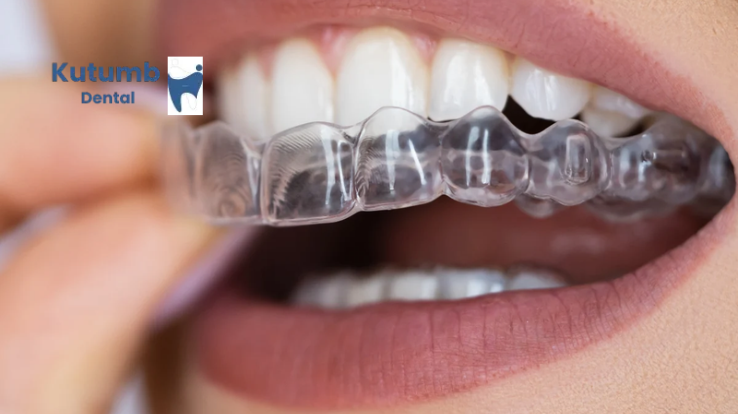
Teeth grinding at night is a common dental problem that can affect both adults and children. Many people grind or clench their teeth while sleeping without knowing it. This habit is called sleep bruxism. It can put pressure on the teeth and jaw muscles, leading to tooth damage, jaw pain, headaches and disturbed sleep.
If you wake up with jaw stiffness, sensitive teeth or frequent morning headaches, nighttime teeth grinding may be one possible cause. Early dental advice can help prevent further damage.
A nightguard is one treatment option that can protect your teeth from the effects of grinding. In this guide, learn about the causes of teeth grinding, its warning signs and how a nightguard can help.
What Is Teeth Grinding at Night?
Teeth grinding, also known as bruxism, is the habit of pressing, clenching or rubbing the upper and lower teeth against each other.
When it happens during sleep, it is called sleep bruxism. Since it occurs while you are asleep, you may not realise that you are doing it. A family member may notice the grinding sound, or you may experience symptoms after waking up.
Teeth grinding can range from occasional mild clenching to repeated, strong grinding that puts pressure on the teeth and jaw.
Can teeth grinding damage your teeth? Yes. Frequent or strong grinding can wear down tooth enamel, cause cracks and increase tooth sensitivity. It may also affect the jaw muscles and joints.
What Causes Teeth Grinding at Night?
There is no single cause of nighttime teeth grinding. It may be linked to several physical, lifestyle and sleep-related factors.
1. Stress and Anxiety
Stress is one factor associated with teeth grinding. People experiencing emotional pressure or anxiety may clench their jaw during the day or grind their teeth during sleep.
2. Sleep Problems
Sleep bruxism may occur alongside certain sleep-related conditions, such as snoring and obstructive sleep apnoea. If you experience loud snoring, breathing pauses or excessive daytime sleepiness, discuss these symptoms with a healthcare professional.
3. Lifestyle Habits
Certain habits may increase the risk of teeth grinding, including:
- Drinking too much caffeine, especially later in the day.
- Smoking or using tobacco.
- Drinking alcohol.
- Having an irregular sleep routine.
Reducing these habits may help some people manage nighttime grinding.
4. Certain Medicines
Some medicines, including certain antidepressants, may be associated with teeth grinding in some people. Do not stop or change prescribed medication on your own. Speak with your doctor if you notice grinding after starting a new medicine.
5. Other Contributing Factors
Family history, individual nervous system activity and other health-related factors may also play a role. The cause can differ from one person to another, so a dental examination is useful for identifying signs of damage.
What Are the Signs and Symptoms of Nighttime Teeth Grinding?
The symptoms of teeth grinding may develop slowly. Some people do not notice them until a dentist identifies tooth wear during a check-up.
Common signs include:
- Jaw pain or stiffness after waking up.
- Frequent morning headaches.
- Tooth sensitivity to hot and cold foods.
- Flattened, worn or chipped teeth.
- Pain around the ears or temples.
- Tightness in the facial muscles.
- Disturbed sleep.
- Clicking or discomfort around the jaw joint.
If you notice these symptoms regularly, consult a dentist. They can examine your teeth and check for signs of grinding.
What Problems Can Teeth Grinding Cause?
Occasional grinding may not always lead to serious problems. However, repeated or strong grinding can affect your teeth, gums and jaw.
1. Tooth Wear
Grinding creates friction between the teeth. Over time, this can wear down enamel and expose the more sensitive inner layers of the tooth.
2. Cracked or Chipped Teeth
Excessive pressure can cause small cracks, chips or damage to existing dental fillings and restorations.
3. Jaw Pain
The jaw muscles work harder when you clench or grind your teeth. This may cause soreness, stiffness and discomfort while chewing.
4. Headaches and Facial Pain
Some people experience headaches around the temples or facial muscle pain, especially after waking up.
5. Damage to Dental Restorations
Repeated grinding can put pressure on crowns, fillings and other dental restorations. These may become worn, loose or damaged over time.
Early diagnosis can help reduce the risk of these problems.
How Can a Nightguard Help with Teeth Grinding?
A nightguard is a protective dental appliance worn over the teeth, usually while sleeping. It creates a barrier between the upper and lower teeth and helps reduce direct contact during grinding.
Kutumb Dental lists nightguards among its general dentistry services.
A nightguard may help in the following ways:
- Protects tooth enamel: Reduces direct friction between upper and lower teeth.
- Helps prevent tooth damage: Provides a protective layer against wear and certain types of grinding-related damage.
- Reduces pressure on teeth: Helps distribute some of the forces created by clenching and grinding.
- Protects dental restorations: Can help reduce excessive grinding-related pressure on fillings, crowns and other restorations.
It is important to understand that a nightguard protects the teeth but does not necessarily stop the habit of grinding. The underlying causes may also need attention.
What Are the Different Types of Nightguards?
The two common options are:
1. Custom-Made Nightguard
A dentist takes an impression or digital scan of your teeth to prepare a nightguard that fits your mouth.
Benefits include:
- Designed according to your teeth.
- More personalised fit.
- Can be made according to your grinding pattern.
- Suitable for regular use when recommended by a dentist.
2. Over-the-Counter Nightguard
These guards are available in pharmacies or stores. Some are designed to be softened in warm water and adjusted at home.
However, they may not fit everyone properly. A poorly fitting guard can feel uncomfortable or affect your bite. It is better to consult a dentist before choosing one.
How Can You Reduce Teeth Grinding at Night?
Along with wearing a nightguard when recommended, certain lifestyle changes may help manage nighttime grinding.
- Follow a regular sleep routine: Try to sleep and wake up at consistent times.
- Reduce caffeine: Avoid excessive tea, coffee and energy drinks, especially in the evening.
- Manage stress: Try relaxation exercises, meditation or other activities that help you feel calm.
- Avoid smoking and limit alcohol: Both may be associated with sleep bruxism.
- Avoid chewing hard objects: Do not chew ice, pens or other hard items.
- Get sleep problems checked: Discuss snoring, breathing pauses or poor sleep quality with a healthcare professional.
These steps may help, but they cannot guarantee that teeth grinding will stop. A dentist can suggest an appropriate treatment plan after examining your teeth and jaw.
When Should You Visit a Dentist?
Do not ignore repeated jaw pain, headaches or tooth sensitivity. You should consult a dentist if:
- You regularly wake up with jaw pain or stiffness.
- Your teeth appear worn, chipped or cracked.
- You experience pain while chewing.
- You have frequent morning headaches.
- Your fillings or crowns become damaged.
- Someone notices loud grinding sounds while you sleep.
A dentist may examine your teeth, jaw muscles and bite to identify signs of bruxism. Depending on your symptoms, further assessment or a sleep-related consultation may also be recommended.
Why Consult Kutumb Dental for a Nightguard in Ghaziabad?
Choosing a dental clinic for teeth grinding treatment is important because the right solution depends on your symptoms and the condition of your teeth.
Kutumb Dental in Vasundhara, Ghaziabad, offers general dentistry services, including nightguards. The clinic also provides dental fillings, scaling and polishing, root canal therapy, cosmetic dentistry and other dental treatments.
You can explore the dental services at Kutumb Dental to learn more about the available treatments.
Clinic Address: Plot No. 1365, Ground Floor, Sector 5, Vasundhara, Ghaziabad, Uttar Pradesh 201012
Phone: +91 82876 61219 / +91 8595011974
Email: kutumbdental@gmail.com
Frequently Asked Questions
1. Why do I grind my teeth while sleeping?
Nighttime teeth grinding may be linked to stress, anxiety, sleep problems, lifestyle habits, certain medicines and other factors. The exact cause can vary between individuals.
2. Can teeth grinding damage my teeth permanently?
Yes. Frequent grinding can wear down enamel, cause cracks and damage fillings or crowns. Early dental assessment can help identify damage and reduce further problems.
3. Does a nightguard stop teeth grinding?
A nightguard mainly protects the teeth from direct contact and grinding-related damage. It does not necessarily stop the grinding habit or treat its underlying cause.
4. Can I use a nightguard every night?
A nightguard can often be worn nightly when recommended by a dentist. Its fit and condition should be checked regularly to ensure it remains comfortable and suitable.
5. How do I know if I need a nightguard?
You may need a nightguard if you have repeated tooth wear, jaw pain, morning headaches or other signs of nighttime grinding. A dentist can examine your teeth and recommend whether one is suitable.
Explore More from Kutumb Dental
https://www.kutumbdental.com/contact.html
https://www.kutumbdental.com/services.html
https://www.kutumbdental.com/about.html
Protect Your Teeth from Nighttime Grinding
Teeth grinding may seem harmless, but repeated pressure can damage enamel, affect dental restorations and cause jaw discomfort. Recognising the warning signs early can help you protect your natural teeth.
If you wake up with jaw stiffness, headaches or sensitive teeth, consult a dentist to understand the possible cause. Visit Kutumb Dental, Sector 5, Vasundhara, Ghaziabad, to discuss whether a nightguard is suitable for your needs.
Call +91 82876 61219 or +91 8595011974, or email kutumbdental@gmail.com to arrange a dental consultation.



Leave a Reply