


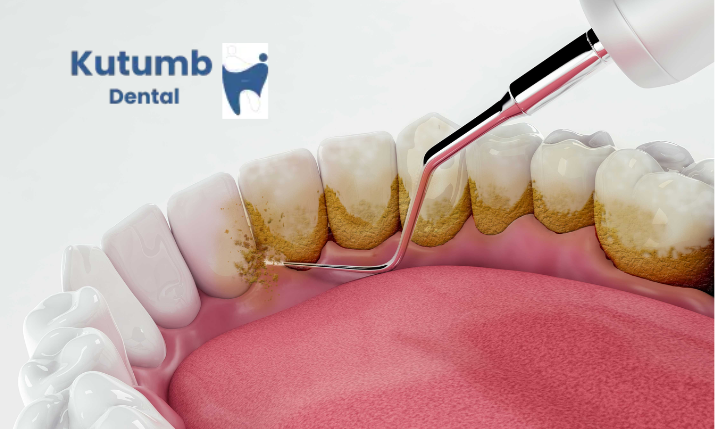
Plaque and tartar are common dental problems that can affect your teeth and gums. Although people often use these terms interchangeably, they are not the same. Plaque is a soft, sticky film of bacteria that forms on teeth every day, while tartar is hardened plaque that cannot be removed with regular brushing alone.
If plaque is not cleaned away regularly, it can harden into tartar and increase the risk of cavities, gum inflammation, bad breath, and gum disease. Understanding the difference between plaque and tartar can help you maintain better oral hygiene and know when to visit a dentist.
In this guide, we explain how plaque and tartar develop, how to identify them, and the safest ways to remove them.
What Is Dental Plaque?
Dental plaque is a soft, sticky film that forms on the surface of your teeth. It contains bacteria, saliva components, and food particles. Plaque begins to develop soon after you clean your teeth and continues to build up throughout the day.
When bacteria in plaque use sugars from food and drinks, they produce acids that can weaken tooth enamel. Over time, this may lead to tooth decay. Plaque around the gumline can also irritate the gums and contribute to gingivitis, an early form of gum disease.
Common Signs of Plaque
Plaque is often colourless or pale yellow, which makes it difficult to see. Common signs include:
- A sticky or fuzzy feeling on your teeth.
- Bad breath that returns frequently.
- A film around the gumline.
- Red, swollen, or bleeding gums.
- An increased risk of cavities if plaque remains for long periods.
The good news is that soft dental plaque can usually be removed at home with proper brushing and flossing.
What Is Dental Tartar?
Tartar, also called dental calculus, forms when plaque absorbs minerals from saliva and hardens on the teeth. It commonly develops near the gumline and between teeth, where cleaning may be difficult.
Unlike plaque, tartar is hard and firmly attached to the tooth surface. Its rough texture can make it easier for additional plaque to accumulate, increasing the risk of gum irritation and periodontal disease.
Common Signs of Tartar
You may notice the following signs if tartar has developed:
- Yellow, brown, or sometimes darker deposits on teeth.
- Hard, rough buildup near the gumline.
- Bleeding or swollen gums.
- Persistent bad breath.
- Gum recession or tenderness in more advanced cases.
Tartar may develop above the gumline or below it. Tartar beneath the gums can be difficult to see and may contribute to damage to the tissues supporting your teeth.
Once tartar has formed, brushing and flossing alone cannot safely remove it. A dental professional must use suitable instruments to remove the hardened deposits.
Plaque vs Tartar: What Is the Difference?
Although plaque and tartar are related, they differ in texture, appearance, removal, and potential effects on oral health.
| Feature | Plaque | Tartar |
|---|---|---|
| What it is | Soft film containing bacteria | Hardened mineralised plaque |
| Texture | Sticky and soft | Hard and rough |
| Appearance | Usually colourless or pale yellow | Yellow, brown, or darker deposits |
| Formation | Develops continuously on teeth | Forms when plaque hardens |
| Removal | Brushing and flossing | Professional dental cleaning |
| Main risks | Cavities and gum inflammation | Increased plaque retention and gum disease risk |
The key difference is that plaque can generally be removed through daily oral hygiene, whereas tartar requires professional removal.
What Causes Plaque and Tartar Buildup?
Plaque develops naturally, but certain habits can increase its accumulation and make tartar formation more likely.
1. Inadequate Brushing and Flossing
Brushing too quickly or missing areas near the gumline allows plaque to remain on teeth. Skipping flossing also leaves plaque between teeth, where a toothbrush may not reach effectively.
2. Frequent Sugary Foods and Drinks
Sugary snacks, sweetened drinks, and frequent between-meal eating provide bacteria with more opportunities to produce acids. Limiting frequent sugar exposure helps protect teeth from decay.
3. Smoking or Tobacco Use
Tobacco use can increase oral health risks and contribute to gum disease. It may also make dental deposits and staining more noticeable.
4. Irregular Dental Check-Ups
Without routine dental examinations, plaque-related problems may go unnoticed. Professional cleaning can remove tartar before it contributes to more serious gum problems.
5. Dry Mouth
Saliva helps clear food particles and supports the mouth’s natural protective processes. Reduced saliva flow can increase the risk of plaque-related problems. If you frequently experience dry mouth, discuss possible causes with your dentist or healthcare professional.
How Can You Remove Plaque Safely at Home?
Good daily oral hygiene is the most effective way to control plaque and reduce the chances of tartar forming.
- Brush twice daily: Brush for two minutes using a soft-bristled toothbrush and fluoride toothpaste.
- Clean along the gumline: Angle your toothbrush gently towards the gumline and clean all tooth surfaces.
- Floss daily: Use dental floss or an appropriate interdental cleaner to remove plaque between teeth.
- Consider an antibacterial mouthwash: If suitable for your needs, a dentist may recommend a mouthwash as an addition to brushing and flossing, not a replacement.
- Limit frequent sugary snacks: Choose water more often and reduce how frequently you consume sugary foods and drinks.
- Replace your toothbrush when needed: Change it when the bristles become frayed, or follow the manufacturer’s guidance.
These habits help control plaque before it hardens into tartar.
How Do Dentists Remove Tartar?
Tartar cannot be safely removed with a toothbrush, floss, or ordinary home remedies. Dentists and trained dental professionals use specialised instruments to remove hardened deposits from tooth surfaces.
Professional Scaling
Scaling removes plaque and tartar from the teeth, including areas near the gumline. Depending on your needs, the dental professional may use ultrasonic equipment, hand instruments, or a combination of techniques.
Polishing
After scaling, polishing may be performed to remove certain surface stains and leave the teeth feeling smoother. Polishing is not always necessary in every situation; your dental professional will recommend the appropriate approach.
Deep Cleaning for Gum Disease
If tartar has accumulated below the gumline and gum disease is present, a dentist may recommend scaling and root planing. This treatment cleans deeper areas around the roots and helps manage periodontal disease.
The type of cleaning required depends on the amount of tartar, gum health, and overall dental condition.
Can You Remove Tartar at Home Naturally?
No home remedy can reliably and safely remove established tartar. Trying to scrape it off with sharp objects or using abrasive substances can damage tooth enamel, irritate the gums, or cause injury.
Baking soda, oil pulling, and other home practices should not be considered substitutes for professional tartar removal. Some products may help with plaque control or surface stains, but they cannot replace dental scaling when hardened deposits are present.
If you notice hard yellow or brown deposits on your teeth, arrange a dental appointment instead of attempting to remove them yourself.
How Can You Prevent Plaque and Tartar Buildup?
Prevention is easier when daily oral care is combined with regular professional check-ups.
- Brush twice daily with fluoride toothpaste.
- Floss or clean between your teeth every day.
- Drink water regularly, particularly after meals.
- Limit sugary foods and frequent sweetened drinks.
- Avoid smoking and tobacco products.
- Visit your dentist regularly for examinations and cleaning when recommended.
The frequency of professional cleaning depends on your oral health. Some people need cleaning more often than others, particularly if they develop tartar quickly or have gum disease.
Frequently Asked Questions
1. Is plaque the same as tartar?
No. Plaque is a soft film of bacteria that forms on teeth and can usually be removed through brushing and flossing. Tartar is hardened plaque that requires professional dental cleaning.
2. Can brushing remove tartar?
No. Brushing helps remove plaque and prevent further tartar formation, but it cannot remove established tartar. A dental professional must remove these hardened deposits using appropriate instruments.
3. How quickly does plaque turn into tartar?
The timing varies from person to person. Plaque can begin hardening within a few days, depending on oral hygiene, saliva, and other factors. Regular brushing and flossing help prevent this process.
4. Does tartar cause gum disease?
Tartar can contribute to gum problems because its rough surface allows more plaque to accumulate. Plaque bacteria cause gum inflammation, and persistent buildup can increase the risk of periodontal disease.
5. How often should I get professional teeth cleaning?
The recommended frequency depends on your gum health, tartar buildup, and dental history. Many people benefit from routine dental visits every six months, but your dentist may recommend a different schedule based on your needs.
Explore More from Kutumb Dental
https://www.kutumbdental.com/contact.html
https://www.kutumbdental.com/about.html
https://www.kutumbdental.com/services.html
Book Your Dental Cleaning at Kutumb Dental, Ghaziabad
Plaque is a normal part of daily oral health, but leaving it on your teeth can lead to tartar buildup, cavities, and gum problems. Brushing twice daily, flossing regularly, and visiting your dentist can help keep your teeth and gums healthy.
If you have hard deposits on your teeth, bleeding gums, persistent bad breath, or concerns about your oral hygiene, schedule a dental examination at Kutumb Dental in Sector 5, Vasundhara, Ghaziabad.
Contact Kutumb Dental
- Address: Plot No. 1365, Ground Floor, Sector 5, Vasundhara, Ghaziabad, Uttar Pradesh 201012
- Phone: 082876 61219
- Email: kutumbdental@gmail.com
Call 082876 61219 today to book your dental check-up and get professional advice on plaque control, tartar removal, and maintaining a healthier smile.



Leave a Reply