


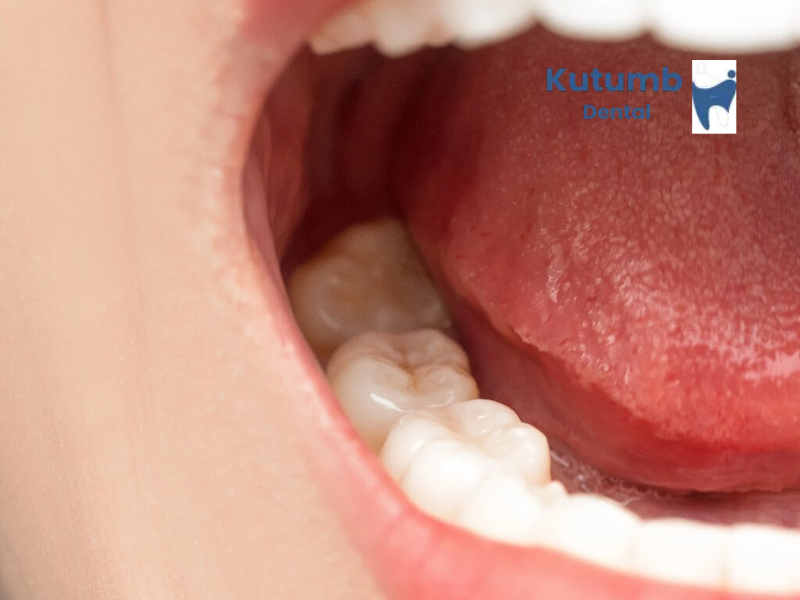
Wisdom teeth are the last teeth to develop at the back of the mouth. They usually appear during the late teenage years or early twenties. When there is enough space, they can grow normally and remain healthy. But when there is not enough room, a wisdom tooth may become trapped under the gum or inside the jawbone. This is called an impacted wisdom tooth.
An impacted wisdom tooth does not always need to be removed. However, it can sometimes cause pain, swelling, infection, tooth decay, gum problems or damage to the nearby tooth. If you are looking for wisdom tooth treatment in Ghaziabad, understanding the warning signs can help you seek dental care at the right time.
What Is an Impacted Wisdom Tooth?
A wisdom tooth is also known as a third molar. Most people can develop up to four wisdom teeth, one at each back corner of the mouth.
A wisdom tooth becomes impacted when it cannot come through the gum properly because of limited space or its position. It may remain completely under the gum, come through only partly, or grow at an unusual angle toward the neighbouring tooth.
Impacted wisdom teeth are common because the jaw may not have enough space for these final teeth to erupt normally. A dentist may recommend an examination and dental X-ray to understand the position of the tooth and decide whether treatment is necessary.
7 Signs You May Need Wisdom Tooth Removal
Not every impacted wisdom tooth needs extraction. However, certain symptoms may indicate that the tooth is causing a dental problem.
1. Pain at the Back of Your Mouth
Pain near the last tooth at the back of your jaw is one of the most common signs of a wisdom tooth problem.
The pain may be mild at first and may come and go. It can become more noticeable when the wisdom tooth is partly erupting or when the surrounding gum becomes inflamed.
If the pain keeps returning, it is better to have the area examined rather than repeatedly ignoring the discomfort.
2. Swollen or Red Gums
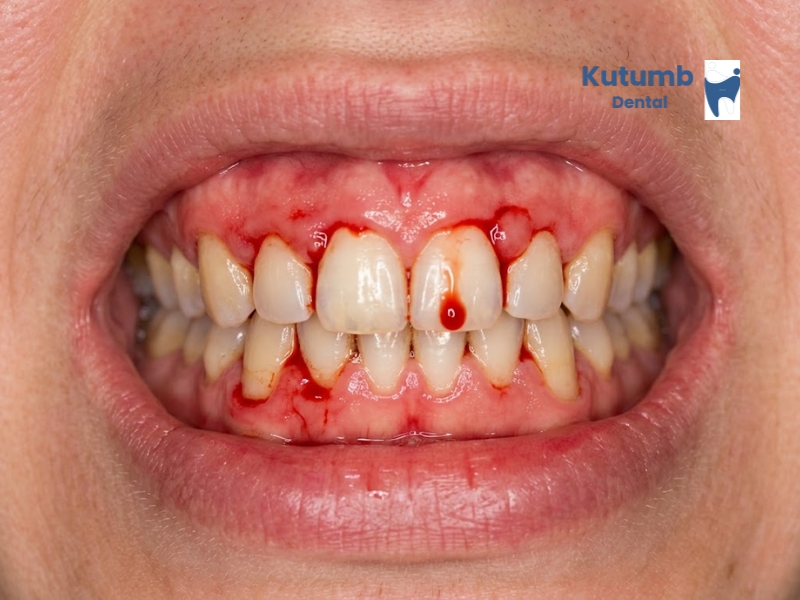
When a wisdom tooth comes through only partly, a small area of gum can remain over the tooth. Food and bacteria may collect around this area, which can lead to inflammation or infection.
This may cause swollen, red or tender gums around the wisdom tooth. Repeated inflammation around a partially erupted wisdom tooth can be a reason for considering removal.
3. Repeated Gum Infection
An impacted or partially erupted wisdom tooth can increase the risk of infection around the surrounding gum. This condition is commonly called pericoronitis.
Symptoms may include pain, swelling, bad taste, jaw stiffness and difficulty opening the mouth. Repeated episodes should be assessed by a dentist because simply waiting for the pain to disappear may not address the underlying problem.
4. Food Keeps Getting Stuck
If food frequently gets trapped around your wisdom tooth, cleaning the area can become difficult.
This can allow bacteria to build up and may contribute to tooth decay or gum problems. The tooth next to the wisdom tooth can also be affected if food repeatedly becomes trapped between the teeth.
5. Difficulty Opening Your Mouth
Jaw stiffness or difficulty opening your mouth can occur when the tissues around a problematic wisdom tooth become inflamed.
If this happens together with swelling, increasing pain or other signs of infection, arrange a dental assessment promptly.
6. Damage or Decay in the Nearby Tooth
An impacted wisdom tooth may grow toward the molar next to it. Depending on its position, this can make cleaning difficult and may contribute to decay or gum problems affecting the neighbouring tooth.
This is one reason why an examination is useful even when the wisdom tooth itself does not cause constant pain.
7. Cyst or Other Abnormal Changes
In some cases, an impacted wisdom tooth may be associated with a cyst or other changes around the tooth.
Dental imaging can help the dentist assess the tooth’s position and surrounding structures. If an abnormal finding is present, your dentist can explain the appropriate treatment options.
Does Every Impacted Wisdom Tooth Need to Be Removed?
No. This is an important point.
A wisdom tooth that is not causing disease or symptoms may sometimes be monitored instead of being removed. Current patient guidance also notes that wisdom teeth are not routinely removed simply because they are present.
Your dentist will consider factors such as:
- Pain or repeated infection
- Tooth decay
- Gum disease
- Damage to the neighbouring tooth
- Difficulty keeping the area clean
- The position of the wisdom tooth
- Cysts or other dental problems
- The findings on dental X-rays
The decision should be based on your individual dental condition rather than on the presence of an impacted tooth alone.
How Is an Impacted Wisdom Tooth Diagnosed?
A dentist will first examine your mouth and ask about your symptoms.
An X-ray may then be recommended to understand the position of the wisdom tooth, its roots and its relationship with nearby teeth and structures. In more complex cases, additional imaging may be considered.
For lower wisdom teeth that are very close to important nerves, the dentist or oral surgery team may discuss additional assessment or alternative treatment options.
What Happens During Wisdom Tooth Removal?
The treatment depends on how the wisdom tooth is positioned.
If the tooth has erupted and is easy to access, removal may be relatively straightforward. If the tooth is impacted beneath the gum or bone, surgical removal may be required.
In some cases, the dentist or oral surgeon may need to make an opening in the gum, remove a small amount of surrounding bone or divide the tooth into sections before removing it. Stitches may be placed afterward.
The type of anaesthesia or sedation used depends on the complexity of the procedure and the patient’s individual circumstances.
What Should You Expect After Wisdom Tooth Removal?
Some swelling, soreness and jaw stiffness can occur after wisdom tooth removal. These effects are generally more noticeable during the first few days and gradually improve as healing progresses.
Your dentist will provide specific aftercare instructions. These may include guidance about food, oral hygiene, physical activity and medicines.
Contact your dental provider if you experience significant or worsening symptoms after treatment, particularly persistent bleeding, increasing swelling, severe pain or signs of infection.
Why Early Dental Assessment Matters
Wisdom tooth problems do not always cause severe pain at the beginning. Sometimes, an impacted tooth may be difficult to clean or may affect the neighbouring tooth before you notice a major problem.
That is why regular dental examinations can be useful. If you have pain, swelling or repeated discomfort at the back of your mouth, an examination can help determine what is happening and whether treatment is required.
If you are searching for a dentist in Ghaziabad, dentist in Vasundhara, or wisdom tooth treatment near you, professional assessment is the safest way to understand your options.
Wisdom Tooth Treatment at Kutumb Dental Clinic, Ghaziabad
Kutumb Dental Clinic is located in Sector 5, Vasundhara, Ghaziabad, and provides a range of dental services for adults and children.
Patients can explore the clinic’s [dental services] and learn more about [Kutumb Dental Clinic] before booking a consultation.
If you have wisdom tooth pain, swelling, repeated gum infection or food getting trapped around the last tooth, a dental examination can help identify the cause and guide the next step.
Frequently Asked Questions
What is an impacted wisdom tooth?
An impacted wisdom tooth is a wisdom tooth that cannot erupt normally because it is blocked by another tooth, gum tissue or bone. It may remain partly or completely trapped beneath the gum.
What are the common symptoms of an impacted wisdom tooth?
Common symptoms can include pain, swollen gums, repeated infection, food getting trapped, difficulty opening the mouth, tooth decay and problems affecting the nearby molar.
Can an impacted wisdom tooth cause problems without severe pain?
Yes. An impacted wisdom tooth may be difficult to clean and can contribute to decay or gum problems even when severe pain is not present. Regular dental examinations can help identify problems early.
Do all impacted wisdom teeth need extraction?
No. If an impacted wisdom tooth is healthy and not causing disease, your dentist may recommend monitoring it. Removal is generally considered when there is a specific dental problem or significant risk that requires treatment.
Can an impacted wisdom tooth damage the tooth next to it?
It can. Depending on its position, an impacted wisdom tooth may make cleaning difficult and contribute to decay or gum problems affecting the neighbouring tooth.
Is an X-ray needed for an impacted wisdom tooth?
A dentist may recommend an X-ray to understand the position of the wisdom tooth and its relationship with nearby teeth and structures. The type of imaging depends on the individual case.
When should I see a dentist for wisdom tooth pain?
You should arrange a dental examination if wisdom tooth pain keeps returning or is accompanied by swelling, infection, difficulty opening your mouth or problems eating. Prompt assessment is especially important when symptoms are worsening.
Book a Wisdom Tooth Consultation in Ghaziabad
Do not ignore repeated pain or swelling at the back of your mouth. An impacted wisdom tooth may be harmless in some people, while in others it can lead to infection, decay or problems affecting nearby teeth.
If you are looking for wisdom tooth treatment in Ghaziabad or a dentist in Vasundhara, consult Kutumb Dental Clinic for an individual dental assessment.
Kutumb Dental Clinic
Plot No. 1365, Ground Floor, Sector 5, Vasundhara, Ghaziabad, Uttar Pradesh – 201012
Phone: 082876 61219
Email: kutumbdental@gmail.com
[Contact Kutumb Dental Clinic to book a dental consultation] https://www.kutumbdental.com/contact.html
Get your wisdom tooth checked and understand the right treatment option for your dental health.




Leave a Reply