


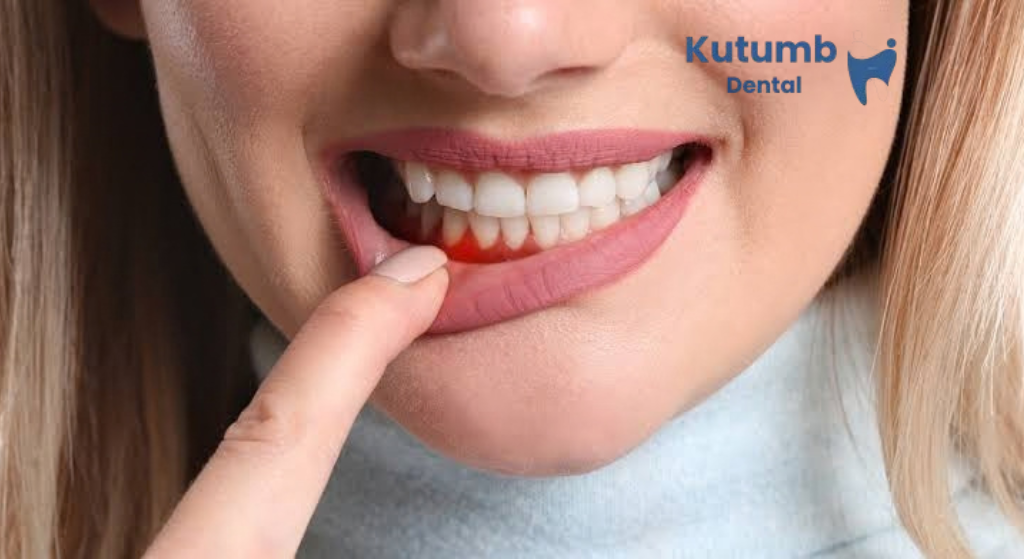
Swollen gums are a common oral health problem. Your gums may look red, feel tender, become puffy, or bleed while brushing or flossing. Sometimes the swelling is temporary, but persistent swollen gums can be a sign of gum disease, infection, or another dental problem.
If you are experiencing swollen gums in Ghaziabad, it is important to understand the possible causes and know when professional dental care is needed.
What Causes Swollen Gums?
Swollen gums can happen for several reasons. The most common cause is plaque buildup around the teeth and gumline, but other dental and health-related factors can also contribute.
1. Gingivitis
Gingivitis is an early form of gum disease. It can develop when plaque builds up around the teeth and irritates the gums.
Common signs include:
- Red or swollen gums
- Bleeding while brushing or flossing
- Gum tenderness
- Bad breath
- Changes in gum appearance
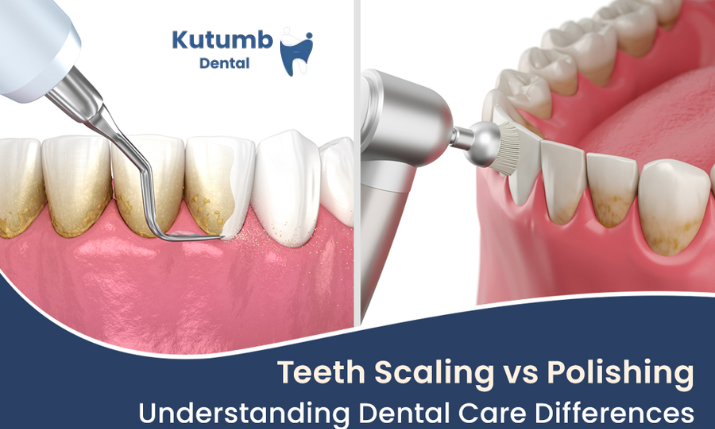
Plaque that is not properly removed can harden into tartar, which cannot be removed effectively with normal brushing alone. Professional dental cleaning may be needed.
2. Periodontitis
If gum inflammation is not treated, it can progress to periodontitis, a more serious form of gum disease.
Periodontitis can affect the tissues and bone supporting the teeth. Warning signs may include persistent gum swelling, bleeding, gum recession, loose teeth, or changes in the way teeth fit together.
Early evaluation is important because advanced periodontal disease can eventually contribute to tooth loss.
3. Food or Plaque Trapped Between Teeth
Food particles can sometimes become trapped between teeth or under the gumline. This can irritate the surrounding gum and cause localized swelling.
Careful cleaning between the teeth can help remove debris. Floss, interdental brushes, or other interdental cleaning tools may be recommended depending on the spaces between your teeth.
4. Dental Infection
Swelling around one particular tooth can sometimes be related to an infection. It may occur with tooth pain, sensitivity, a bad taste, pus, or swelling in the surrounding tissues.
A dental infection should not be ignored. Depending on the cause, treatment may involve dental procedures such as drainage or treatment of the affected tooth.
Antibiotics are not automatically required for every dental swelling. Dental treatment is often the priority, while antibiotics may be appropriate when there are signs of systemic involvement such as fever or malaise.
5. Irritation or Injury
Gums can become swollen after irritation from aggressive brushing, hard foods, dental appliances, or accidental injury.
If the swelling does not improve after the irritation has stopped, a dentist should evaluate the area.
6. Hormonal Changes
Hormonal changes can affect gum tissues. Some people may notice increased gum sensitivity or swelling during periods of hormonal fluctuation.
The ADA also notes that hormonal activity, including changes associated with pregnancy and puberty, can contribute to gingival enlargement in some individuals.
7. Certain Medicines or Health Conditions
Some medications and medical conditions can contribute to gum enlargement or swelling. For this reason, persistent or unusual gum changes should not always be assumed to be caused by poor oral hygiene.
If you recently started a medication and noticed significant gum changes, discuss the issue with your dentist and the healthcare professional who prescribed the medicine.
What Are the Symptoms of Swollen Gums?
Swollen gums may occur with one or several symptoms.
Common signs include:
- Puffy or enlarged gums
- Red or darker-than-usual gums
- Gum tenderness
- Bleeding while brushing or flossing
- Bad breath
- Bad taste in the mouth
- Pain while chewing
- Gum recession
- Pus around a tooth
- Loose or sensitive teeth
Not everyone experiences pain. In fact, some gum problems can progress without severe discomfort, which is why regular dental examinations are useful.
Why Are My Gums Swollen Around One Tooth?
Swelling around one tooth can have several possible causes. Food trapped between teeth, gum irritation, decay, a cracked tooth, or an infection may all need to be considered.
If the swelling is localized, painful, repeatedly returns, or is accompanied by pus or facial swelling, arrange a dental examination rather than trying to treat the problem only at home.
A dentist can examine the tooth and surrounding tissues and may recommend dental imaging when necessary.
How Can Swollen Gums Be Treated?
Treatment depends on the underlying cause. There is no single treatment for every case of swollen gums.
Professional Dental Cleaning
If plaque and tartar are contributing to gum inflammation, professional cleaning may be recommended. Removing deposits from the teeth can make it easier to maintain healthy gums at home.
Improved Oral Hygiene
Your dentist may recommend brushing twice daily with fluoride toothpaste and cleaning between your teeth every day.
Good daily plaque control is an important part of preventing gum inflammation. Kutumb Dental also recommends regular brushing, daily flossing, and routine dental check-ups as part of maintaining oral health.
Periodontal Treatment
If gum disease has progressed beyond early gingivitis, more comprehensive periodontal treatment may be required.
Treatment can include professional removal of plaque and calculus below the gumline, along with improved daily plaque control. More advanced cases may require additional periodontal procedures.
Treatment for Dental Infection
If swelling is caused by an infected tooth or another dental infection, treating the source of the infection is essential.
Depending on the diagnosis, treatment may include root canal treatment, drainage, extraction, or another dental procedure.
Do not self-medicate with leftover antibiotics. The appropriate treatment depends on the cause of the swelling.
How Can You Reduce Swollen Gums at Home?
If the swelling is mild and you are waiting for a dental appointment, maintaining gentle oral hygiene is important.
You can:
- Brush gently twice a day.
- Clean between your teeth every day.
- Drink enough water.
- Avoid tobacco products.
- Avoid very hard or irritating foods if the gums are painful.
- Do not stop brushing because your gums bleed.
- Avoid using sharp objects to remove food from between your teeth.
Home care can support gum health, but it cannot replace professional treatment when swelling is caused by tartar, periodontal disease, or infection.
When Should You See a Dentist for Swollen Gums?
You should consider seeing a dentist if gum swelling:
- Lasts for more than a few days
- Keeps coming back
- Causes significant pain
- Bleeds frequently
- Is associated with bad breath or a bad taste
- Produces pus
- Occurs around a painful tooth
- Is accompanied by loose teeth
- Makes eating or brushing difficult
The ADA recommends dental evaluation when you are experiencing oral health problems such as swollen or bleeding gums.
When Is Swollen Gum a Dental Emergency?
Seek urgent dental care if swelling is rapidly increasing or is accompanied by significant facial swelling, difficulty swallowing, difficulty breathing, fever, or feeling seriously unwell.
These symptoms can indicate a more serious infection that requires prompt assessment.
How Can You Prevent Swollen Gums?
Good oral hygiene can reduce the risk of plaque-related gum inflammation.
Follow these basic habits:
- Brush your teeth twice daily with fluoride toothpaste.
- Clean between your teeth every day.
- Replace your toothbrush when the bristles become worn.
- Avoid smoking and tobacco products.
- Limit frequent sugary snacks and drinks.
- Attend regular dental check-ups.
- Get professional cleaning when recommended.
Regular dental assessments can help identify gum problems before they become more serious.
Swollen Gums Treatment in Ghaziabad
If you have persistent swollen gums in Ghaziabad, getting the cause diagnosed is more important than simply trying to reduce the swelling.
Kutumb Dental in Vasundhara, Ghaziabad, provides general dentistry and dental emergency services and can help evaluate oral health concerns. The clinic is located at Plot No. 1365, Ground Floor, Sector 5, Vasundhara, Ghaziabad, Uttar Pradesh 201012.
A dental examination can help determine whether the swelling is related to plaque, gingivitis, periodontal disease, an infection, irritation, or another condition.
Frequently Asked Questions
1. What is the most common cause of swollen gums?
Plaque buildup around the teeth and gumline is a common cause of gum inflammation and swelling. Poor plaque removal can contribute to gingivitis, while untreated gum disease can progress to more serious periodontal problems.
2. How can I reduce swollen gums quickly?
Gentle brushing, daily cleaning between the teeth, and good oral hygiene can help when plaque-related inflammation is involved. However, persistent swelling may require professional cleaning or treatment of an underlying dental problem.
3. Are swollen gums a sign of gum disease?
They can be. Swollen, red, or bleeding gums are common signs of gingival inflammation. Persistent symptoms may indicate gingivitis or more advanced periodontal disease and should be evaluated by a dentist.
4. Why is my gum swollen around one tooth?
Localized swelling can be caused by trapped food, gum irritation, decay, a cracked tooth, or an infection. If the swelling is painful, persistent, or associated with pus, see a dentist for an examination.
5. When should swollen gums be treated by a dentist?
See a dentist if swelling persists, repeatedly returns, causes pain or bleeding, or occurs with pus, bad breath, loose teeth, or other concerning symptoms. Urgent care is especially important when swelling affects the face or causes difficulty swallowing or breathing.
Suggested Links
https://www.kutumbdental.com/contact.html
https://www.kutumbdental.com/services.html
Take Action for Healthier Gums
Swollen gums should not be ignored, especially when the problem lasts, keeps returning, or is accompanied by pain, bleeding, pus, or bad breath. Early dental evaluation can help identify the cause and prevent a minor gum problem from becoming more serious.
If you are experiencing swollen or painful gums in Ghaziabad, book a dental consultation with Kutumb Dental today and get the right treatment for healthier gums and a healthier smile.

Leave a Reply