


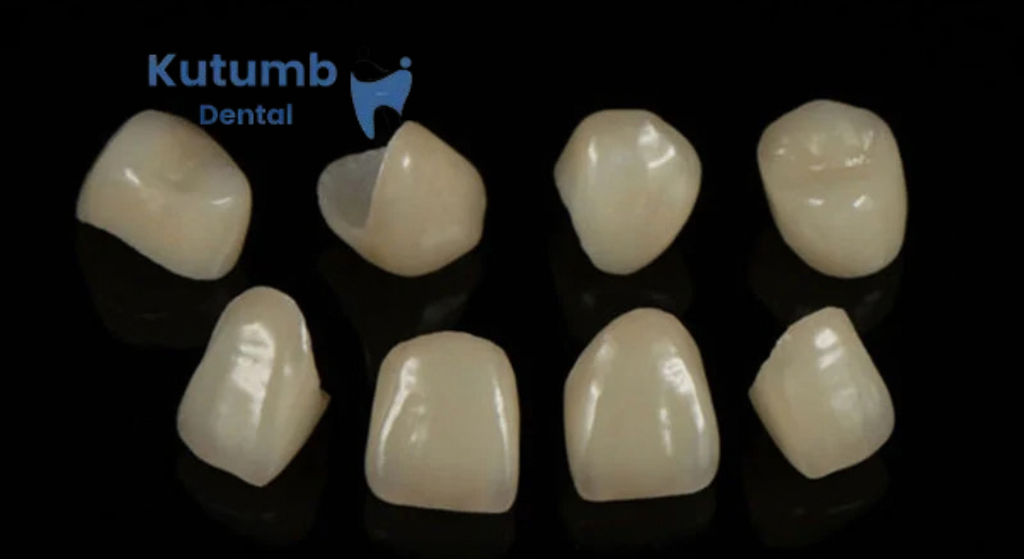
A damaged, cracked, weak, or heavily filled tooth may need more protection than a regular filling can provide. In such cases, a dental crown can help restore the tooth’s shape, strength, function, and appearance. A crown is a custom-made cap that covers the visible part of a tooth.
If you are looking for dental crown treatment in Ghaziabad, it is important to understand when a crown is needed, what the procedure involves, which types are available, and how to care for your restored tooth.
What Is a Dental Crown?
A dental crown is a tooth-shaped restoration placed over a prepared tooth. It is designed to protect a weakened tooth and restore its normal shape and function.
Dentists may recommend crowns for teeth that have:
- Extensive decay
- Large fillings with limited healthy tooth structure remaining
- Cracks or fractures
- Significant wear
- Previous root canal treatment
- Certain cosmetic concerns
- An implant that needs a final tooth restoration
A crown can help protect the remaining tooth structure while allowing you to bite and chew more normally.
When Do You Need a Dental Crown?
Not every damaged tooth needs a crown. Your dentist will consider how much healthy tooth remains, the location of the tooth, your bite, and the overall condition of your mouth.
1. A Tooth Has Extensive Decay
A small cavity can often be treated with a filling. However, when decay has removed a large amount of tooth structure, a filling may not provide enough support.
A crown may be recommended to cover and protect the remaining tooth.
2. You Have a Cracked or Broken Tooth
A cracked or fractured tooth can become weaker and may be at greater risk of further damage. Depending on the location and severity of the crack, a crown may help protect the tooth and restore its function.
If you have pain while biting, a visible crack, or a broken tooth, do not delay a dental examination.
3. You Have a Large Filling
A tooth with a very large filling may have limited natural structure left to support it. A crown can cover the tooth and provide additional protection when a regular filling is no longer the most suitable option.
4. After Root Canal Treatment
Teeth that have undergone root canal treatment may require additional protection, depending on the amount of remaining tooth structure and the tooth’s location.
Your dentist will assess the tooth and determine whether a crown or another restoration is appropriate.
5. Severe Tooth Wear
Teeth can become worn due to factors such as grinding, clenching, or other causes. When significant tooth structure has been lost, restorative treatment may be required to rebuild the tooth and protect what remains.
6. To Improve the Appearance of a Damaged Tooth
Crowns can sometimes be used to improve the appearance of a severely discolored, misshapen, or damaged tooth. However, cosmetic treatment should be planned carefully because more conservative options may be suitable in some cases.
7. To Restore a Dental Implant
A dental crown can be attached to a dental implant to replace the visible portion of a missing tooth. This creates a functional tooth-like restoration.
What Are the Signs You May Need a Dental Crown?
You cannot determine the need for a crown from symptoms alone. However, certain signs should encourage you to schedule a dental examination.
These may include:
- A visibly cracked or broken tooth
- A tooth with extensive decay
- A very large or failing filling
- Pain while biting
- Significant tooth wear
- A tooth that has recently received root canal treatment
- A damaged tooth that feels weak
- A severely discolored or misshapen tooth
Importantly, tooth sensitivity alone does not automatically mean you need a crown. Sensitivity can have many causes, so the underlying problem needs to be diagnosed first.
How Does Dental Crown Treatment Work?
The exact procedure depends on the condition of your tooth and the type of crown selected. A typical crown treatment may involve the following steps.
Step 1: Dental Examination
Your dentist examines the tooth and surrounding gums. X-rays or other diagnostic tests may be recommended when necessary.
The goal is to determine whether the tooth can be restored and whether a crown is the appropriate treatment.
Step 2: Treatment Planning
If a crown is recommended, your dentist will discuss the restoration and material options. The location of the tooth, bite forces, appearance, remaining tooth structure, and oral health can influence the choice.
Step 3: Tooth Preparation
The tooth is carefully reshaped to create sufficient space for the crown. If there is extensive damage, the tooth may need additional restorative treatment before crown placement.
Step 4: Impression or Digital Scan
Your dentist may take a traditional impression or digital scan of the prepared tooth. This information is used to design a crown that fits the tooth and matches the surrounding teeth.
Step 5: Temporary Protection
Depending on the treatment process, a temporary crown may be placed while the permanent restoration is being prepared.
Step 6: Permanent Crown Placement
When the final crown is ready, the dentist checks its fit, shape, appearance, and bite. Once everything is satisfactory, the crown is securely placed on the tooth.
What Types of Dental Crowns Are Available?
Dental crowns can be made from different materials, including ceramic, porcelain, metal alloys, resin, and porcelain-fused-to-metal restorations.
The right material depends on factors such as:
- Location of the tooth
- Required strength
- Appearance
- Bite pressure
- Remaining tooth structure
- Personal preferences
- Dentist’s clinical recommendation
Tooth-coloured ceramic and porcelain options can provide a natural appearance, while some metal-based materials offer high durability. Your dentist can explain which option is suitable for your specific tooth.
Is Dental Crown Treatment Painful?
Dental crown treatment is generally performed with local anaesthesia when tooth preparation could cause discomfort. You may experience some sensitivity after treatment, particularly while the tooth and surrounding tissues adjust.
However, persistent or severe pain after crown placement should be evaluated by your dentist.
How Long Does a Dental Crown Last?
The lifespan of a crown depends on factors such as the material, bite forces, oral hygiene, tooth condition, and daily habits. Some dental crowns can last many years with proper care.
Good oral hygiene and regular dental check-ups can help protect both the crown and the natural tooth underneath.
How to Care for Your Dental Crown
A crowned tooth still needs regular dental care. The crown covers the tooth, but it does not make the surrounding gums or the underlying tooth immune to dental problems.
To care for your crown:
- Brush twice daily with fluoride toothpaste.
- Clean between your teeth every day.
- Avoid using your teeth to open packages.
- Follow your dentist’s advice about hard or sticky foods.
- Attend regular dental check-ups.
- Contact your dentist if the crown becomes loose, cracked, or uncomfortable.
Good oral hygiene is especially important around the crown margins because plaque can still accumulate near the gums.
Dental Crown Treatment in Ghaziabad
Choosing the right restoration requires a proper dental examination. A dentist should first determine why the tooth is damaged and whether a crown is actually necessary.
If you are looking for dental crown treatment in Ghaziabad, Kutumb Dental in Vasundhara provides general and restorative dental care. The clinic can evaluate damaged or weakened teeth and help you understand the treatment options suitable for your oral health needs.
The clinic is located at Plot No. 1365, Ground Floor, Sector 5, Vasundhara, Ghaziabad, Uttar Pradesh 201012.
Frequently Asked Questions
1. When is a dental crown necessary?
A dental crown may be recommended when a tooth is significantly damaged, cracked, weakened, heavily filled, severely worn, or requires protection after certain dental treatments. The dentist decides based on the amount of healthy tooth structure remaining.
2. Is a dental crown better than a filling?
Not always. Fillings are suitable for many cavities and smaller areas of damage. A crown may be considered when a tooth has lost too much structure for a filling to provide adequate protection.
3. Does getting a dental crown hurt?
The tooth is usually numbed during preparation to keep the procedure comfortable. Some temporary sensitivity may occur afterward, but persistent pain should be checked by a dentist.
4. How long does a dental crown last?
A dental crown can last for many years, but its lifespan varies according to the crown material, oral hygiene, bite forces, tooth condition, and daily habits.
5. Can a crown be placed on a root canal-treated tooth?
Yes. Depending on the tooth and remaining structure, a crown may be used to protect and restore a root canal-treated tooth. Your dentist will assess whether a crown is appropriate for your specific case.
Suggested Links
https://www.kutumbdental.com/contact.html
https://www.kutumbdental.com/doc2.html
Protect Your Damaged Tooth Today
A cracked, weakened, or heavily damaged tooth should not be ignored. Early evaluation may help protect the remaining tooth structure and prevent the problem from becoming more serious.
If you think you may need a dental crown in Ghaziabad, book a consultation with Kutumb Dental and get your tooth examined to find the right treatment for your smile.




Leave a Reply