

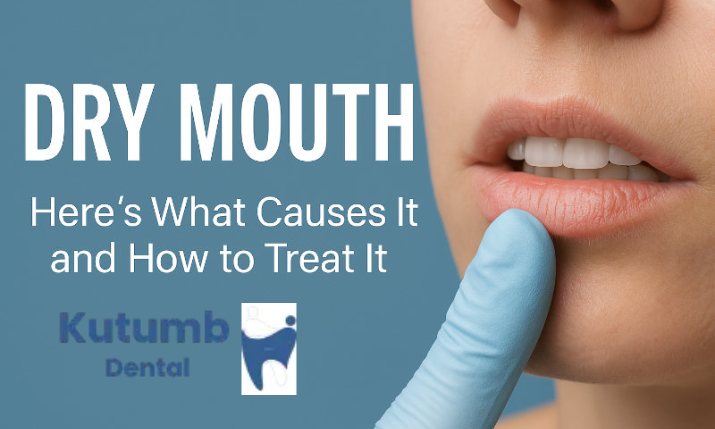
Dry mouth is a common condition that can make it difficult to speak, chew, swallow, or enjoy food comfortably. It occurs when the mouth does not produce enough saliva to stay moist. While occasional dryness may happen because of dehydration or mouth breathing, persistent dry mouth can affect your teeth, gums, and overall oral health.
If you frequently experience a sticky feeling in your mouth, difficulty swallowing dry foods, bad breath, or a burning sensation, it is important to understand the possible causes. Dry mouth, also called xerostomia, may be linked to medications, certain health conditions, or changes in saliva production.
In this guide, we explain the causes of dry mouth, how it affects oral health, and practical ways to manage it.
What Is Dry Mouth and Why Is Saliva Important?
Dry mouth is the feeling that your mouth does not have enough moisture. It may occur because your salivary glands produce less saliva or because certain factors change how your mouth feels.
Saliva plays an important role in maintaining oral health. It helps wash away food particles, neutralise acids produced by oral bacteria, support swallowing, and protect tooth enamel. It also helps control the growth of harmful microorganisms in the mouth.
When saliva production decreases, teeth and soft tissues lose some of their natural protection. This can increase the risk of tooth decay, gum problems, oral infections, and discomfort.
Occasional dryness may resolve after drinking water or addressing its cause. However, dry mouth that continues for days or regularly interferes with daily activities deserves dental or medical attention.
What Are the Common Causes of Dry Mouth?
Dry mouth can develop for several reasons. Identifying the cause is important because treatment depends on what is reducing saliva or causing the dryness.
1. Dehydration
Not drinking enough water, sweating heavily, fever, vomiting, or diarrhoea can contribute to dehydration. This may temporarily reduce saliva production and make your mouth feel dry.
Drink water regularly throughout the day, particularly during hot weather or physical activity. If you have been advised to limit fluids because of a medical condition, follow your healthcare professional’s guidance.
2. Medications
Dry mouth is a possible side effect of many medicines, including some antihistamines, antidepressants, blood pressure medicines, and medicines used to treat allergies or other conditions.
If dryness begins after starting a new medicine or changing a dose, discuss it with your prescribing doctor. Do not stop or change prescribed medication without medical advice.
3. Mouth Breathing and Snoring
Breathing through your mouth while sleeping can cause dryness, particularly when you wake up in the morning. Nasal congestion, allergies, and certain sleep-related breathing problems may contribute to mouth breathing.
If you regularly wake up with a dry mouth, loud snoring, or unrefreshing sleep, seek medical advice to investigate the underlying cause.
4. Medical Conditions
Some health conditions can affect saliva production. These include diabetes and Sjögren’s disease, an autoimmune condition that can affect the salivary and tear glands.
Persistent dry mouth may sometimes occur alongside increased thirst, frequent urination, dry eyes, or other symptoms. A healthcare professional can assess these symptoms and recommend appropriate tests when needed.
5. Cancer Treatment and Other Factors
Radiation therapy involving the head or neck can damage salivary glands and reduce saliva production. Some chemotherapy treatments may also contribute to oral dryness.
Smoking, tobacco use, alcohol, and frequent consumption of caffeinated drinks may worsen dryness in some people. Anxiety can also cause temporary dry mouth.
What Are the Symptoms of Dry Mouth?
The symptoms may vary depending on the cause and severity. Common signs include:
- A sticky, dry, or uncomfortable feeling inside the mouth.
- Frequent thirst or a need to sip water.
- Difficulty chewing or swallowing dry foods.
- Dry, cracked lips or cracks at the corners of the mouth.
- Bad breath that continues despite regular oral hygiene.
- A burning or tingling sensation on the tongue.
- Changes in taste or difficulty speaking comfortably.
- Mouth sores or recurring oral infections.
If these symptoms persist, a dentist can examine your mouth for signs of reduced saliva, tooth decay, gum inflammation, or infection.
How Can Dry Mouth Affect Your Teeth and Gums?
Saliva helps protect your mouth against acids and bacteria. When there is not enough saliva, several oral health problems may become more likely.
Increased Risk of Tooth Decay
Without enough saliva, acids and food particles may remain in the mouth for longer. This can increase the risk of cavities, including decay around the gumline and existing dental fillings.
Gum Problems
Reduced saliva does not directly cause every case of gum disease, but it can make it harder to maintain a comfortable, healthy mouth. Plaque buildup and poor oral hygiene can contribute to gum inflammation and other periodontal problems.
Oral Thrush and Other Infections
Saliva helps maintain a balanced oral environment. Reduced saliva can increase the risk of oral infections, including oral thrush, which may cause white patches, soreness, or redness.
Difficulty Eating and Speaking
Dryness can make chewing, swallowing, and speaking uncomfortable. Some people also experience changes in taste or avoid certain foods because they are difficult to eat.
For these reasons, persistent dry mouth should not be ignored, even if the discomfort initially seems mild.
How Can You Manage Dry Mouth at Home?
Simple daily habits may help relieve symptoms. The most effective approach depends on the underlying cause.
- Drink water regularly: Take small sips throughout the day and keep water nearby when needed.
- Chew sugar-free gum: Gum containing xylitol may stimulate saliva production and can be helpful if you can chew safely.
- Choose saliva substitutes: Ask a dentist or pharmacist about saliva gels, sprays, or other products designed for dry mouth.
- Avoid tobacco: Smoking and other tobacco products can worsen oral dryness and increase other oral health risks.
- Limit alcohol and excess caffeine: These may aggravate dryness in some people.
- Use a humidifier: Adding moisture to bedroom air may help if dry air contributes to nighttime discomfort.
- Choose tooth-friendly foods: Limit frequent sugary snacks and acidic drinks, which can increase the risk of tooth decay when saliva is reduced.
Avoid using sugary sweets to stimulate saliva because frequent sugar exposure can increase cavity risk.
Which Oral Care Routine Is Best for Dry Mouth?
People with persistent dry mouth may need extra protection against tooth decay.
Brush twice daily using a soft-bristled toothbrush and fluoride toothpaste. Spit out the toothpaste after brushing rather than rinsing vigorously with water, unless your dentist advises otherwise.
Clean between your teeth daily using dental floss or suitable interdental cleaners. If your mouth feels sensitive, choose alcohol-free mouthwash and ask your dentist whether a product specifically designed for dry mouth would be appropriate.
Regular dental check-ups are especially important if you have reduced saliva production. Your dentist may recommend additional fluoride protection, monitor early signs of decay, or suggest changes to your oral care routine.
If dentures cause irritation because of dryness, ask your dentist about proper cleaning, fit, and suitable products to improve comfort.
When Should You See a Dentist or Doctor?
Arrange a dental appointment if dry mouth persists, repeatedly returns, or makes eating, swallowing, speaking, or sleeping difficult.
Seek an assessment sooner if you notice frequent cavities, mouth sores, white patches, persistent bad breath, or a painful or swollen mouth. A dentist can check for oral complications and help identify possible causes.
A medical review may be needed if dryness could be related to medication or an underlying health condition. Tell your healthcare professional about all medicines and supplements you take.
Seek urgent medical attention if you have difficulty breathing or swallowing, or severe symptoms of dehydration such as confusion or fainting.
Frequently Asked Questions
1. What is the most common cause of dry mouth?
Common causes include dehydration, medication side effects, and mouth breathing. Some medical conditions and cancer treatments can also reduce saliva production.
2. Can dry mouth cause tooth decay?
Yes. Reduced saliva removes less food debris and provides less protection against acids. This can increase the risk of cavities, particularly when dry mouth is persistent.
3. How can I relieve dry mouth quickly?
Try taking small sips of water, chewing sugar-free gum if appropriate, and avoiding tobacco, alcohol, and other personal triggers. Persistent symptoms should be assessed by a healthcare professional.
4. Is dry mouth a sign of diabetes?
Dry mouth can occur in people with diabetes, particularly when blood glucose levels are high, but it does not confirm diabetes. If you also have increased thirst or frequent urination, consult a healthcare professional.
5. When should I see a dentist for dry mouth?
See a dentist if dryness continues, causes discomfort, or is accompanied by cavities, mouth sores, gum problems, or difficulty eating. Your dentist can assess oral health and recommend suitable preventive care.
Explore More from Kutumb Dental
https://www.kutumbdental.com/contact.html
https://www.kutumbdental.com/about.html
https://www.kutumbdental.com/services.html
Protect Your Oral Health with Professional Dental Care
Persistent dry mouth can affect your comfort and increase the risk of dental problems, but early attention can help protect your teeth and gums. If you regularly experience dryness, do not rely only on drinking more water. Identifying the cause and following an appropriate oral care routine can make a difference.
If you live in Vasundhara or nearby areas of Ghaziabad, contact Kutumb Dental to arrange a dental check-up and discuss your oral health concerns.
Kutumb Dental Contact Details
- Address: Plot No. 1365, Ground Floor, Sector 5, Vasundhara, Ghaziabad, Uttar Pradesh 201012
- Phone: 082876 61219
- Email: kutumbdental@gmail.com
Call 082876 61219 to book your dental consultation and take the next step towards healthier teeth and gums.

Leave a Reply