


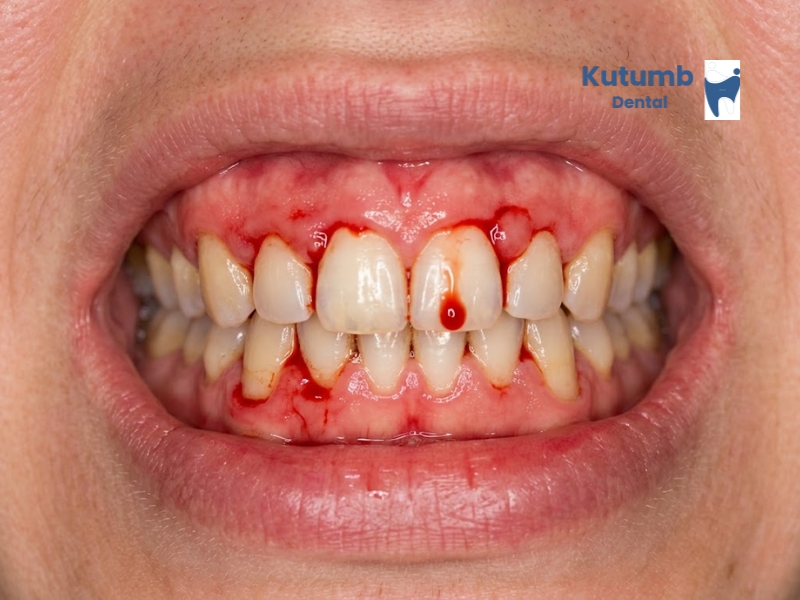
Healthy gums are an important part of a healthy smile. However, gum disease can develop slowly and may not always cause noticeable pain in the beginning. Redness, swelling, bleeding while brushing, persistent bad breath and gum recession can all be warning signs that your gums need professional attention.
If you are looking for gum disease treatment in Ghaziabad, understanding the early signs can help you seek dental care before the condition becomes more serious. At Kutumb Dental Clinic in Vasundhara, Ghaziabad, patients can consult a dental professional for evaluation, preventive care and appropriate treatment based on their oral health needs.
What Is Gum Disease?
Gum disease, also called periodontal disease, affects the gums and other tissues that support your teeth. It commonly begins when plaque, a sticky film containing bacteria, builds up around the teeth and gumline.
When plaque is not removed regularly, it can harden into tartar or calculus. Unlike plaque, tartar cannot be completely removed with normal brushing at home and may require professional dental cleaning.
The early stage of gum disease is called gingivitis. It can cause red, swollen and bleeding gums and is generally reversible with appropriate oral hygiene and professional care. If gum disease progresses, it can develop into periodontitis, which can damage the tissues and bone supporting the teeth.
7 Early Warning Signs of Gum Disease
Knowing what to look for can help you identify a possible gum problem early.
1. Bleeding Gums While Brushing
Occasional bleeding should not simply be considered normal. Gums that bleed repeatedly while brushing or cleaning between the teeth can be a sign of inflammation or gingivitis.
If your gums regularly bleed, especially without an obvious reason, schedule a dental examination rather than stopping brushing or flossing. Good oral hygiene remains important, but persistent bleeding deserves professional assessment.
2. Red or Swollen Gums
Healthy gums generally do not remain red, swollen or tender. Changes in the appearance or feel of your gums can indicate inflammation.
Swelling around several teeth, particularly when combined with bleeding or tenderness, may be an early sign of gum disease.
3. Persistent Bad Breath
Bad breath can have many causes, including food, dry mouth and tobacco use. However, persistent bad breath or a constant unpleasant taste can also occur with gum disease.
If your bad breath continues even after regular brushing and cleaning your tongue, it is worth discussing the problem with a dentist.
4. Gums Pulling Away From the Teeth
Gums that appear to be moving away from the teeth or exposing more of the tooth surface should not be ignored.
Gum recession can have several causes, but it can also be associated with periodontal problems. A dental examination can help determine why the gums are changing and whether treatment is required.
5. Sensitive or Loose Teeth
New tooth sensitivity, discomfort while chewing or teeth that feel loose can sometimes indicate that the tissues supporting the teeth have been affected.
Advanced periodontal disease can damage the supporting bone and tissues around teeth. This can eventually result in tooth mobility and, if left unmanaged, tooth loss.
6. Pain or Discomfort While Chewing
Pain while chewing should not be ignored, particularly when it occurs with swollen or bleeding gums.
Several dental conditions can cause chewing discomfort, so an examination is important to identify the actual cause rather than assuming that it is simply gum sensitivity.
7. Changes in the Way Your Teeth Fit Together
If your bite suddenly feels different, or you notice that your teeth are shifting or no longer coming together in the same way, speak with a dentist.
Changes in the way teeth fit together can be associated with problems affecting the supporting structures of the teeth and should be evaluated professionally.
What Causes Gum Disease?
The most common starting point is plaque buildup around the teeth and gums. If plaque is not removed, it can harden into tartar and contribute to ongoing inflammation.
Several factors may increase the risk of gum disease, including:
- Inadequate oral hygiene
- Smoking or tobacco use
- Diabetes
- Certain medications
- Genetic factors
- Crooked or crowded teeth that are difficult to clean
- Hormonal changes, including pregnancy
- Some systemic health conditions
Smoking is particularly important because tobacco use is associated with a higher risk of serious gum disease and can also interfere with healing.
Gingivitis vs Periodontitis: What Is the Difference?
Gingivitis is the early stage of gum disease. Common signs include redness, swelling and bleeding gums. With appropriate professional care and improved daily oral hygiene, gingivitis can generally be reversed.
Periodontitis is a more advanced form of periodontal disease. It can involve destruction of the tissues and bone supporting the teeth. While periodontitis cannot simply be reversed, professional treatment can help slow its progression and manage the condition.
This difference is one reason early dental assessment matters. Treating gum inflammation before it progresses can help protect the supporting structures of your teeth.
Can Gum Disease Be Prevented?
Many cases of gum disease can be prevented or managed with consistent oral care.
A good daily routine should include:
- Brush your teeth twice a day with fluoride toothpaste.
- Clean between your teeth every day using floss or an appropriate interdental cleaner.
- Do not ignore repeated gum bleeding or swelling.
- Avoid tobacco products.
- Attend regular dental checkups and professional cleanings.
- Follow your dentist’s advice if you have a higher risk of gum disease.
Professional dental care is important because tartar cannot be removed completely through ordinary brushing at home. Regular examinations can also identify gum problems before they become more advanced.
When Should You See a Dentist for Gum Problems?
You should consider a dental consultation if you notice repeated bleeding, swollen or painful gums, persistent bad breath, gum recession, sensitive or loose teeth, or discomfort while chewing.
You should not wait for severe pain before seeking care. Gum disease can sometimes progress with few noticeable symptoms, which makes regular dental examinations important even when your teeth do not hurt.
If you are searching for a dentist in Ghaziabad for gum concerns, a professional examination can help identify the cause and determine the appropriate next step.
Gum Disease Treatment in Ghaziabad
Treatment depends on the type and severity of the gum problem.
For early gum inflammation, professional cleaning combined with better brushing and daily cleaning between the teeth may be sufficient to improve gum health.
For more advanced periodontal disease, treatment may involve deeper cleaning below the gumline, medication in selected cases, or other periodontal procedures depending on the condition. The CDC notes that treatment for periodontitis may include scaling and root planing, medication and, in some cases, surgical treatment.
The right treatment should always be decided after an individual dental examination rather than based only on symptoms.
Why Choose Kutumb Dental Clinic in Ghaziabad?
If you are looking for gum disease treatment in Ghaziabad, Kutumb Dental Clinic is located in Sector 5, Vasundhara and provides dental care for individuals and families.
The clinic offers general dentistry, children’s dentistry, orthodontics, cosmetic dentistry, dental implants and dental emergency care.
You can explore the clinic’s [dental services] and learn more about the available treatments. Kutumb Dental Services
You can also visit the [Kutumb Dental Clinic website] for information about the clinic, appointments and dental care. Kutumb Dental Clinic
For patients with recurring bleeding gums, swelling, bad breath or other concerns, an examination can help determine whether the problem is related to gingivitis, periodontitis or another dental condition.
Frequently Asked Questions About Gum Disease
Is bleeding while brushing a sign of gum disease?
Repeated bleeding while brushing or cleaning between your teeth can be a warning sign of gingivitis or another gum problem. It is better to have persistent bleeding assessed by a dentist.
Can gum disease occur without pain?
Yes. Gum disease may have few or no noticeable symptoms in its early stages. This is why regular dental examinations are important even when there is no significant pain.
Can gingivitis be reversed?
Yes. Gingivitis is the early stage of gum disease and can generally be reversed with appropriate professional care and consistent oral hygiene.
Can gum disease cause loose teeth?
Advanced periodontal disease can damage the tissues and bone supporting the teeth. As the supporting structures become damaged, teeth may become loose.
Does professional dental cleaning help with gum disease?
Professional cleaning can help remove plaque and tartar that cannot be adequately removed through routine brushing. For advanced gum disease, additional periodontal treatment may be required.
When should I visit a dentist for bleeding gums in Ghaziabad?
If your gums repeatedly bleed, appear swollen or red, or you also have bad breath, gum recession, sensitivity or loose teeth, arrange a dental examination. Early assessment can help identify and manage gum problems before they become more serious.
Book a Dental Consultation at Kutumb Dental Clinic
Bleeding gums, persistent bad breath, swelling and gum recession are not symptoms you should simply ignore. Early attention can help protect your gums and the teeth they support.
If you are searching for a dentist in Ghaziabad, gum disease treatment in Ghaziabad, or a dental clinic in Vasundhara, contact Kutumb Dental Clinic for a dental evaluation.
Kutumb Dental Clinic
Plot No. 1365, Ground Floor, Sector 5, Vasundhara, Ghaziabad, Uttar Pradesh – 201012
Phone: 082876 61219
Email: kutumbdental@gmail.com
Do not wait for gum problems to become painful. Book a dental consultation today and take the first step toward healthier gums and a stronger smile.




Leave a Reply