


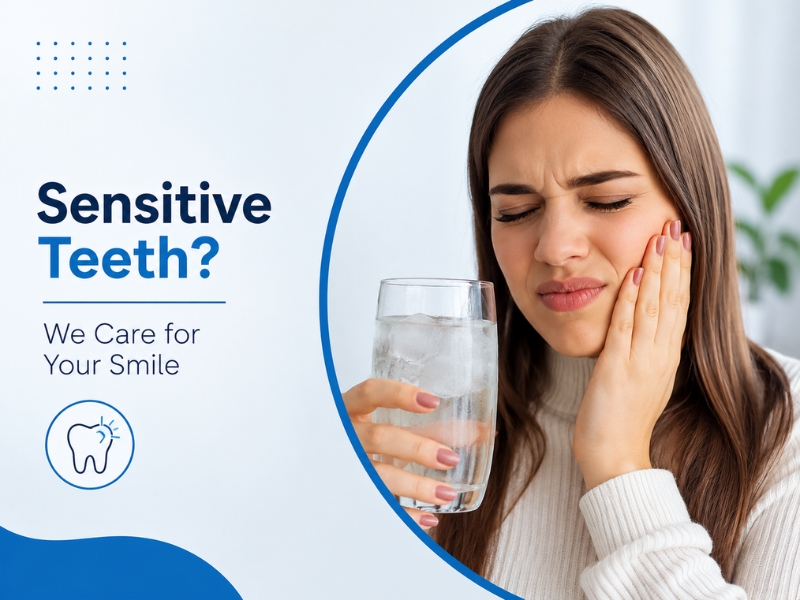
Do you feel a sharp sensation in your teeth after drinking cold water or eating hot food? Sensitive teeth are a common dental concern faced by many people. Some people experience mild discomfort, while others may feel sudden pain during eating or drinking.
Tooth sensitivity may affect daily comfort and sometimes indicate that your teeth need proper care and attention. Ignoring sensitivity for a long time may lead to worsening dental discomfort.
At Kutumb Dental in Ghaziabad, we help patients understand the common causes of tooth sensitivity and the importance of maintaining healthy teeth and gums.
What Are Sensitive Teeth?
Sensitive teeth usually react strongly to hot, cold, sweet, or acidic foods and drinks. This may happen when the protective layer of the teeth becomes weaker or when the inner part of the tooth becomes exposed.
Sensitivity may affect one tooth or multiple teeth depending on the cause.
Common Signs of Tooth Sensitivity
People with sensitive teeth may notice:
- Sharp discomfort while eating hot or cold foods
- Pain while drinking cold water
- Temporary tooth discomfort
- Sensitivity while brushing teeth
- Discomfort after sweet foods
- Mild pain during cold weather
These symptoms should not be ignored if they happen regularly.
Common Causes of Sensitive Teeth
1. Worn Tooth Surface
The outer protective layer of teeth helps protect against temperature changes. Over time, brushing too hard or unhealthy habits may weaken this layer and increase tooth sensitivity.
Using gentle brushing techniques may help protect your teeth.
2. Gum Problems
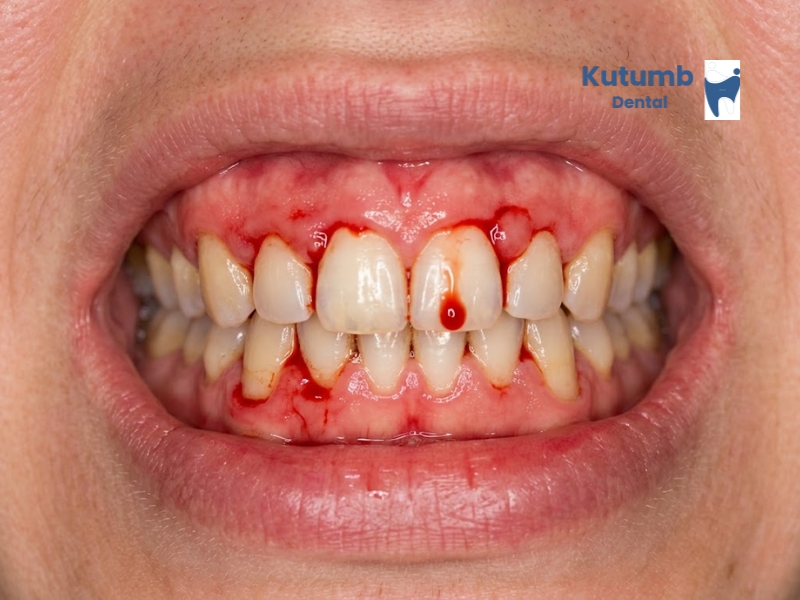
Healthy gums protect the roots of the teeth. If gums become weak or pull away from the teeth, sensitivity may increase.
Good oral hygiene and regular dental care are important for maintaining healthy gums.
3. Teeth Grinding
Some people grind or clench their teeth during sleep or stress. This habit may slowly affect the teeth and increase sensitivity over time.
Many people may not even realize they grind their teeth regularly.
4. Frequent Acidic Foods and Drinks
Acidic foods and drinks may gradually affect the teeth and contribute to sensitivity. Maintaining balanced eating habits can support better oral health.
Drinking enough water may also help support a healthier mouth.
5. Poor Oral Hygiene
Poor oral hygiene may allow plaque buildup around the teeth and gums. This may increase the chances of dental discomfort and tooth sensitivity.
Regular brushing and cleaning between teeth support healthier oral hygiene.
6. Cracked or Damaged Teeth
Small cracks or damage in teeth may sometimes lead to discomfort while eating hot or cold foods.
Regular dental checkups help identify dental concerns early.
Why You Should Not Ignore Sensitive Teeth
Many people think tooth sensitivity is temporary and ignore it for months. However, regular sensitivity may sometimes indicate underlying dental issues.
Early dental care may help:
- Protect oral health
- Prevent worsening discomfort
- Support healthier gums
- Improve eating comfort
- Maintain healthy teeth
Ignoring dental discomfort for too long may affect daily life and oral hygiene habits.
How to Reduce Tooth Sensitivity
Simple oral care habits may help reduce tooth sensitivity and improve overall dental health.
Brush Gently
Using a soft toothbrush and gentle brushing technique may help protect the teeth and gums.
Maintain Good Oral Hygiene
Brushing regularly and cleaning between teeth supports cleaner teeth and healthier gums.
Limit Very Acidic Foods
Reducing excessive acidic foods and drinks may help support stronger teeth.
Stay Hydrated
Water helps support a cleaner mouth and healthy saliva flow.
Visit Your Dentist Regularly
Routine dental checkups help identify oral health concerns early and support healthier smiles.
Importance of Regular Dental Checkups
Regular dental visits are important even if sensitivity feels mild. Many dental problems develop slowly and may become more noticeable later.
Professional dental guidance helps patients understand proper oral hygiene and healthy dental habits.
At Kutumb Dental in Ghaziabad, we focus on patient-friendly dental care and preventive oral health guidance for all age groups.
Healthy Teeth Support Everyday Comfort
Healthy teeth and gums are important for eating, speaking, and smiling comfortably. Tooth sensitivity may affect confidence and daily comfort if ignored for a long time.
Simple oral hygiene habits and regular dental care may help maintain healthier teeth and reduce dental discomfort over time.
If you notice tooth sensitivity after hot or cold foods, it may be the right time to improve your oral care routine and seek professional dental guidance.
FAQs
Why do my teeth hurt after cold foods?
Sensitive teeth may react strongly to cold foods or drinks due to weakened tooth protection or gum-related issues.
Can hard brushing cause tooth sensitivity?
Yes, brushing too hard may gradually affect the teeth and increase sensitivity.
Is tooth sensitivity common?
Yes, many people experience tooth sensitivity at different stages of life.
Can poor oral hygiene increase sensitivity?
Poor oral hygiene may affect both teeth and gums, which can contribute to dental discomfort.
When should I visit a dentist for sensitive teeth?
If sensitivity happens regularly or becomes uncomfortable, it is important to visit a dentist for proper evaluation.
How can I maintain healthy teeth?
Good oral hygiene, regular brushing, healthy eating habits, hydration, and routine dental checkups support healthier teeth and gums.
For more information about healthy smiles and dental care, visit https://kutumbdental.com/



Leave a Reply